

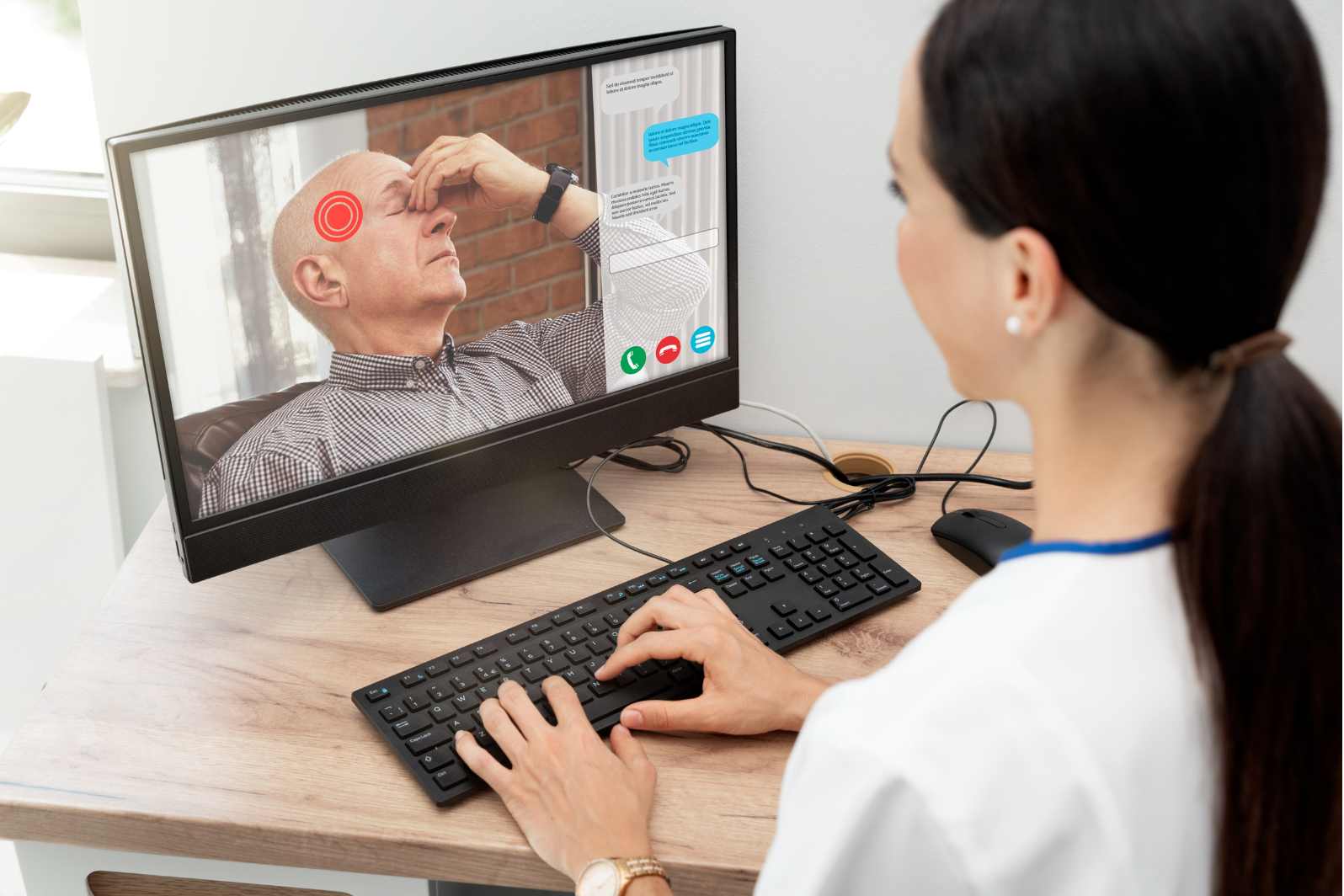
The mind is one of the most vital components of wellness. But a lot of people are reluctant to get help, because of stigma, time constraints or not having access to experts. As technology becomes not only faster, but smarter too, so too does healthcare. One significant change has been through telepsychiatry, in which all of the mental health services are delivered online only.
And telepsychiatry is enabling people to talk to doctors, therapists and counsellors from home. It is creating a bridge between patients and the mental health community. Here’s a closer look at how telepsychiatry operates, who it serves, and why the virtual mental health care is poised to change the future of mental health care.
What is Telepsychiatry?
Telepsychiatry refers to delivering mental health services over video call, phone consultations and online platforms. Instead of going to a hospital or clinic, patients meet virtually with psychiatrists or therapists. Therapy may encompass sessions, medication management, follow-up care and at times emergency support.
This is a model that delivers all age mental health services more than it’s ever been able to do before.
Benefits of Telepsychiatry
1. Better Access to Care
Psychiatry and therapy can be in short supply in rural and small towns. Telepsychiatry makes it possible for individuals to see an expert without traveling great distances.
2. Time and Cost Savings
Patients save the cost of traveling and wait time. Professionals also cut the overhead cost of having an infrastructure, which allows healthcare to be more efficient.
3. Comfort and Privacy
A lot of people are nervous about going to a psychiatrist’s office. Since online therapy takes place in the privacy and comfort of one’s home, more people are inspired to seek help.
4. Continuity of Care
Even in emergencies like a pandemic, telepsychiatry enables patients not to miss their usual visits.
5. Flexibility
Sessions can be arranged based on the patient’s schedule, which is convienent for people that have to work and students.
Challenges of Telepsychiatry
1. Internet and Technology Barriers
The sessions are prone to interruptions due to slow internet connectivity. Not everyone might feel comfortable with apps or video platforms.
2. Lack of Physical Examination
The body language and physical cues psychiatrists tend to use. This observation may be biased by the online sessions.
3. Privacy Concerns
Patients could also be concerned about the security of sharing personal information online.
4. Legal and Regulatory Issues
Rules on telemedicine vary by state, which can be a headache both for doctors and their patients.
The Future of Telepsychiatry
The future of telepsychiatry is anticipated to continue expanding rapidly in the next few years. Digitized platforms, AI-informed mental health tools and stringent data protections will allow virtual care to become even stronger. These days, quite a few hospitals and clinics are using hybrid models in which patients can alternate between online and in-person sessions.
The mental health stigma is diminishing, telepsychiatry makes it readily accessible, and more people can avoid being afraid to seek it.
FAQs:
Q1: Can visiting a psychiatrist online be as good as in person?
Yes. Virtual sessions appear to be as effective as in-person consultations for the most common conditions, including anxiety, depression and stress.
Q2: Can psychiatrist prescribe medicine online?
Yes. In some countries, licensed psychiatrists can prescribe medication using telepsychiatry after determining the proper mode of treatment.
Q3: Does telepsychiatry require special equipment?
No. The only things you’ll need are a smartphone, tablet or computer and an internet connection.
Q4: Are my details secure during online therapy?
Most platforms encrypt their data and comply with stringent privacy laws. Prefer reliable platform or hospital for your sessions.
Q5: Why should anyone use telepsychiatry?
Telepsychiatry can be helpful to anyone who has trouble visiting a clinic, lives in remote areas or wants privacy.
