

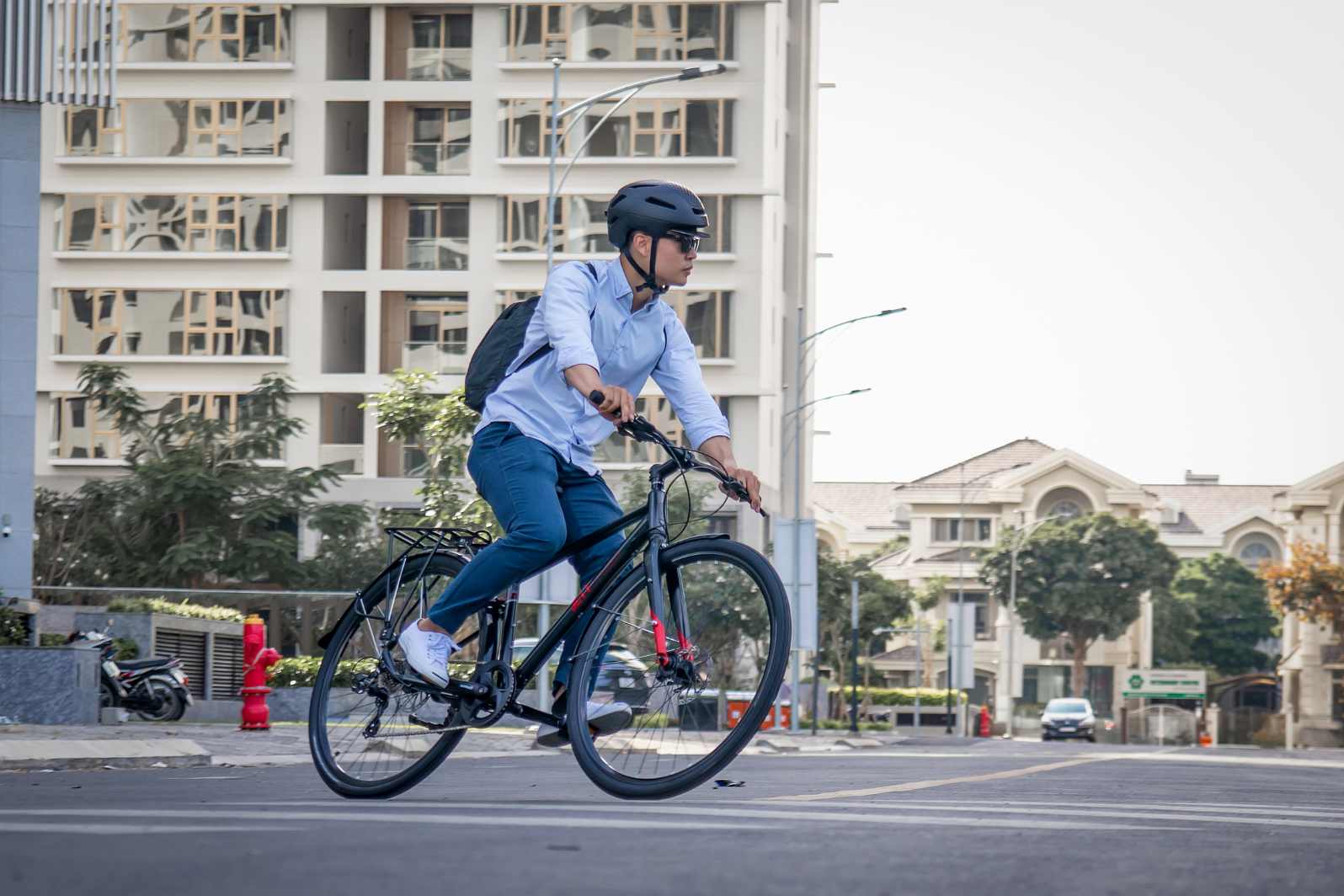
ByJen A. Miller Cycling isn’t a weekend sport, it’s something I do every day.” So it has for many people become a smart and green means of regular city travel. Cycling is cost-saving, healthy and non-polluting to roadways. With the proper gear and know-how, it can supplant short car trips and public transportation. Here’s how you can follow suit and how it matters for better cities.
Essential Gear for Daily Biking
You’re the type of person that doesn’t want media, you want a lot more – nutrients to fuel your daily grind.
1. Helmet
The helmet, is the single most important piece of safety gear. It safeguards your head during accidents and should always be used.
2.Lights and Reflectors
Front and rear lights allow you to ride safely in the dark. Wheels and pedals with reflectors make you more visible to cars.
3. Lock
When outside, you can keep your cycle safe with a solid lock. Opt for a U-lock or chain lock to add more security.
4. Comfortable Clothing
Dress in loose fitting, relaxed active style wear, that allows for maximum breathability and movement. In wet conditions, a waterproof jacket and pants keep you dry.
5. Bag or Carrier
A backpack, saddlebag or cycle basket serves for transporting groceries, business papers and health club paraphernalia.
Tips for Commuting by Cycle
1. Plan Your Route
Choose quieter roads or those with cycle lanes. Find maps or smart phone apps that highlight safe paths for biking.
2. Start with Short Distances
When you are a beginner, begin with rides of 2–3 km. Gradually go a little further when you are feeling more sure.
3. Maintain Your Cycle
Look after tyre pressure, brakes and chain. And a well-maintained cycle is smoother and doesn’t break down.
4. Learn Traffic Rules
You should follow signals, ride on the proper side and use hand signals to indicate turns. This helps keep you and your belongings safe and help prevent road rage against cyclists.
5. Stay Hydrated
Have a water bottle with you, particularly on long summer rides.
Urban Advocacy for Biking
But in order for cycling to be a viable mode of transport, there needs to be more infrastructure and policies from cities that support it. These are some areas where urban advocacy matters a lot:
1. More Cycle Lanes
Cycle lanes where car drivers cannot disrupt the flow of cyclists also make them feel safer.
2. Parking Spaces
Safe and obvious racks for bikes are more conducive to making cycling an attractive possibility without fear of theft.
3. Awareness Campaigns
Urban authorities can encourage people to cycle through events such as “Car-Free Days” and school awareness campaigns.
4. Policy Support
Government initiatives like subsidies on cycles, concessions on taxes for cycle commuters and checks on polluting vehicles promote cycling culture.
Why Biking Matters for Cities
The more people ride bikes each day, the less congestion there is in traffic, and so on. Cities also become quieter and greener with more cycling. In many Indian cities, which are plagued by traffic, promoting bicycles is an investment in the long-term well being of people and their environment.
FAQs:
Q1. Is it safe to cycle in Indian cities?
Yes, as long as you follow the traffic laws and ride on safer routes. It’s more safe to do it wearing lights and helmets and reflectors.
Q2. How many km can I ride daily in a cycle?
Practice a little bit and most of you can go 5-10km one way without breaking a sweat. You get fitter and sexier, too; oddly enough, you become a fit cyclist.
Q3. She asks: Do I need an expensive cycle for everyday commuting?
No, for day-to-day use a simple strong bicycle with gears is quite sufficient. You can always step up down the road if you decide that’s necessary.
Q4. How can I make my city build more cycling infrastructure?
Join community cycling groups, get ”in the saddlem in demonstrations and write your city council members about safe lanes and parking.
Q5. Can cycling help in fitness?
Sure, cycling makes us huff and puff but it also increases stamina, burns calories galore, and boosts muscle power without fast-tracking you to the strava phase.
