

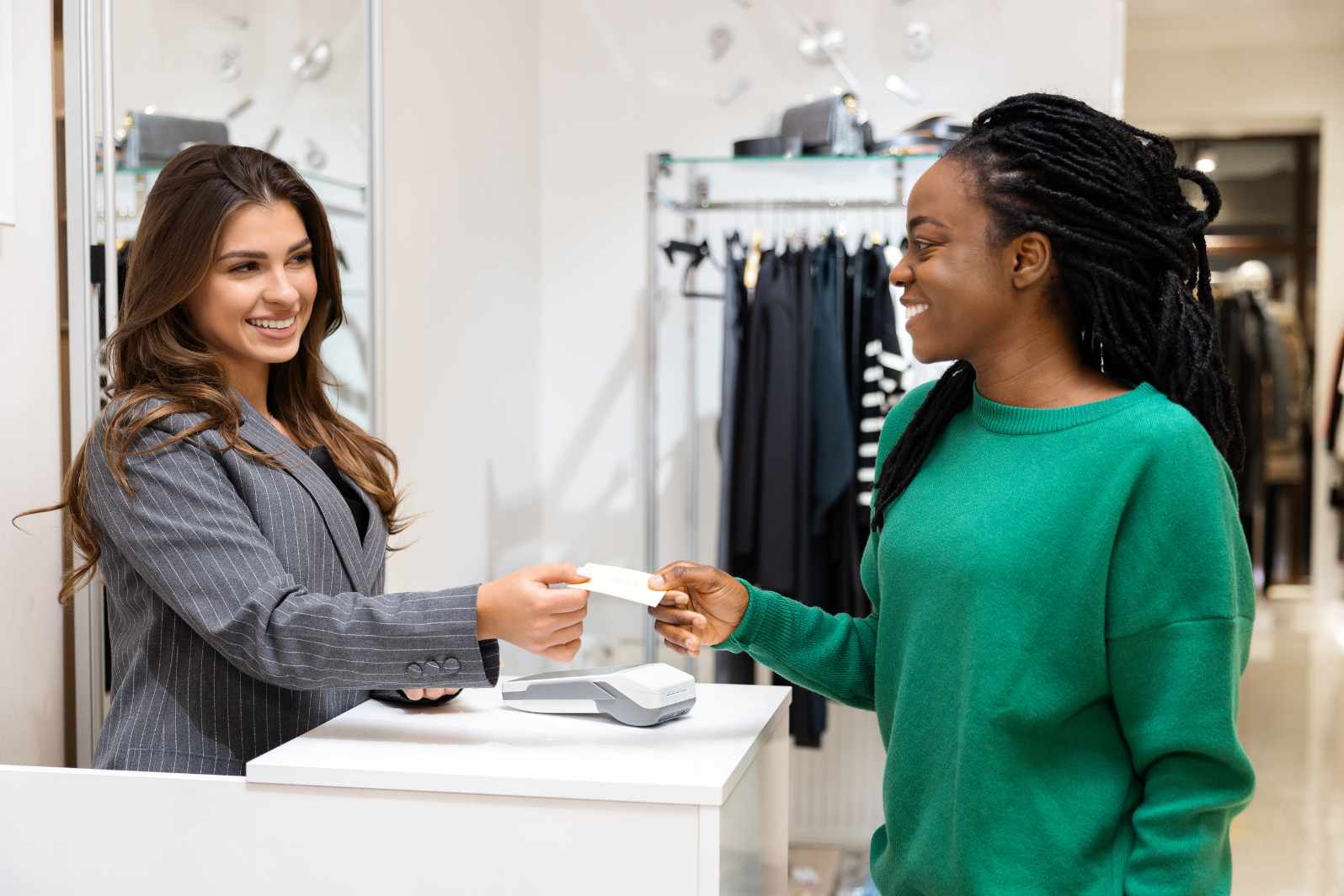
Pop-up stores are growing increasingly popular in the fast-changing retail sector today. These ephemeral shops also are a clever way for brands to try out new products, reach a new customer or mobilize excitement. While traditional stores require long leases, pop-ups can lease a space for a limited time — just for days or weeks — so businesses can dip their toes in the retail waters without committing to a longer-term agreement. This flexibility is reshaping how people think about retail real estate.
What is Pop-Up Retail?
Pop-up retail describes short-term shops or showrooms that open for a day, week or month. Such stores can be in malls, on high streets or in event spaces — even shipping containers. The goal is to provide an unforgettable shopping experience that feels urgent, and exclusive. Since the store is only a temporary presence, people feel encouraged to visit it before it vanishes.
Why Pop-Up Stores Are Growing
The rise of pop-up retail is being motivated by several factors:
- Low Risk for Brands: No long leases are required of businesses.
- High Engagement: Pop-ups allow brands to engage directly with customers.
- Seasonal: Ideal for festivals, holiday promotions or product launches.
- Real Estate Flexibility Landlords can temporarily fill vacancies.
Pop-Up Shops For Real Estate gains
Pop-up stores are not only good for brands, but they’re also a positive development for landlords and developers.
- Income via Empty Spaces: Owners can make money through vacant space.
- More Foot Traffic: Curious shoppers come, and stores further up benefit.
- Testing Locations: Landlords can see how a space does with customers.
- Renting Flexibility : Short contracts are attractive to small businesses and startups.
Challenges for Pop-Up Retail Real Estate
As fun as pop-up stores sound, there are challenges to boot:
- Barely any Planning Time: Quick setup would take teamwork.
- Permits and Regulations: If you’re going to occupy temporary spaces, you still need their approvals.
- Competition: Locations in the best spots are one the most expensive, even for a limited time span.
- Uncertain Returns: Success requires the right time and customer interest.
Future of Pop-Up Real Estate
Pop-up retail is poised to become even more of a thing. With e-commerce ruling, physical retail needs to focus on experiences. They give that to you in these memorable interactions through pop-ups. Real estate companies are also beginning to develop flexible spaces that can be quickly transformed into pop-up stores. ‘In the future, more malls and high streets might set aside space exclusively for rotating pop-up shops.
FAQs:
Q1. How long do pop-up shops typically remain open?
Pop-up shops can last from a couple of days to several months, depending on the objective and location.
Q2. Are pop-up stores limited to small businesses?
No, little brands and big companies do it all the time. They are the ones that many global brands open to introduce new products or test markets.
Q3. How much does it cost to rent space for a pop-up?
Price varies by location, size and length. High-demand areas will be more expensive, where small local spots can be budget-friendly.
Q4. Does a pop-up shop need a business license?
Yes, generally speaking, pop-up shops require proper permits and licenses, just as permanent stores do.
Q5. Why do shoppers like pop-up shops?
Customers like pop-ups because they feel special, they’re limited and they’re different than regular shopping.
