

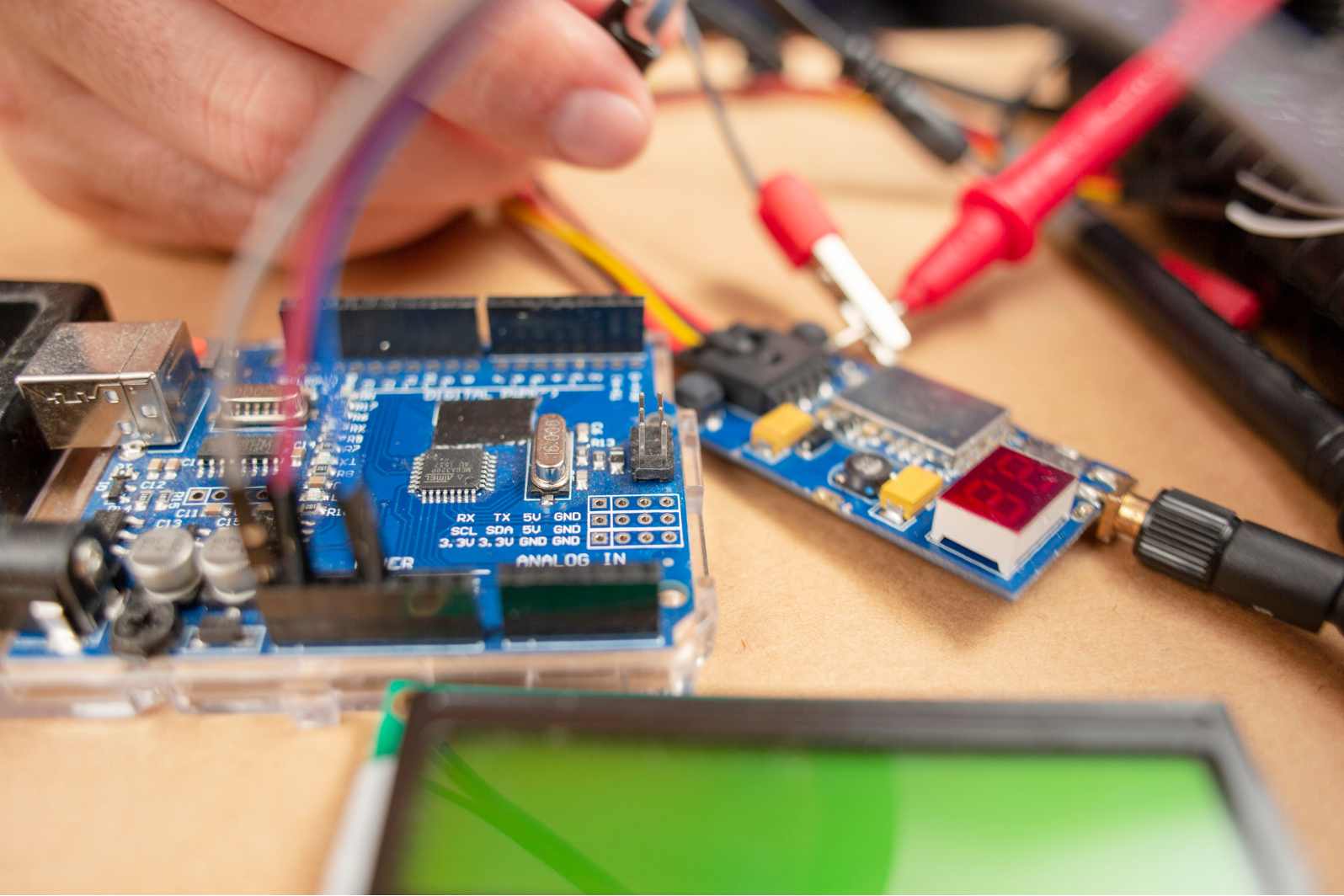
We generally think of software when we hear the term “open source.” But in the last few years, open source has extended beyond code and into the realm of hardware. Open source hardware is transforming the way we make, distribute, and share physical things. Whether it’s electronics or 3D printers, the movement is opening up innovation to anyone.
What is Open Source Hardware?
Open source hardware (OSH) refers to tangible products whose design has been released to the public. This also includes any circuit diagrams, schematics or CAD files and so on. These designs are open and anyone can learn, modify, improve them with no conditions. It operates on the same principles as open source software, but is for physical objects.
Why Open Source Hardware Matters
Open source hardware removes the boundaries of creativity. This way, it won’t be corporations dictating what products look like —- instead, individuals and communities can work together. Results here are faster, cheaper and more creative.
Some key benefits are:
- Accessibility: Anyone with the right skills and tools can use and improve designs.
- Cost savings: Open designs remove licensing fees.
- Collaboration: People worldwide can work together on solving problems.
- Transparency: Users know exactly how a product works.
Examples of Open Source Hardware
1. Arduino – One of the biggest open source hardware projects. It’s a microcontroller board that’s used in robotics, IoT and educational projects.
2. Raspberry Pi – Not entirely open source, it fosters open source innovation in its community.
3. RepRap 3D Printer- A 3D printer can print replications of itself.
4. Open Source Prosthetics – Plans for cheap prosthetic limbs put online for all to use and aid.
Impact on Industries
- Education: Pupils learn by making and doing.
- Health care: open source medical devices that are low cost are being developed.
- Manufacturing: Small business can invent without much capital investment.
- Sustainability: Being able to recycle and repair your devices is a defence against e-waste.
Challenges of Open Source Hardware
OSH offers many advantages, but it also suffers from challenges:
- Funding: Free sharing with difficulty in earning money.
- Quality control: Some designs are not reliable.
- Intellectual property disputes: Some companies may steal designs without citing them.
- Manufacturing constraints: Building physical hardware takes factories and materiel – big old expensive ones.
The Future of Open Source Hardware
The open source hardware the move ment is still young. With 3D printed parts, inexpensive electronics and an online global community of like-minded enthusiasts, the future looks bright. There will likely be more cooperation elsewhere in projects including renewable energy, robotics and healthcare devices. Perhaps it will become a force as influential on history as open source software.
FAQs:
Q1. Is open source hardware free of charge?
Yes, 99% of open source hardware is free (as in beer), but a minority have licenses that may require attribution or sharing improvements.
Q2. Can businesses make cash with open source hardware?
Yes, companies can also sell things, or offer assistance for stuff (or for that matter even building custom things) based on published source data.
Q3. What is the difference between open source hardware and open source software?
Software is digital and can be copied with little effort. There are materials, manufacturing and distribution costs associated with hardware, which makes it more complicated.
Q4. Who stands to gain the most from open source hardware?
Students, startups or makers and communities in developing areas are the main beneficiaries as they gain access to low cost technology.
Q5. What are some well-known Open Source Hardware projects?
Arduino, RepRap 3D printer and Open Source Ecology are some of the more famous.
