

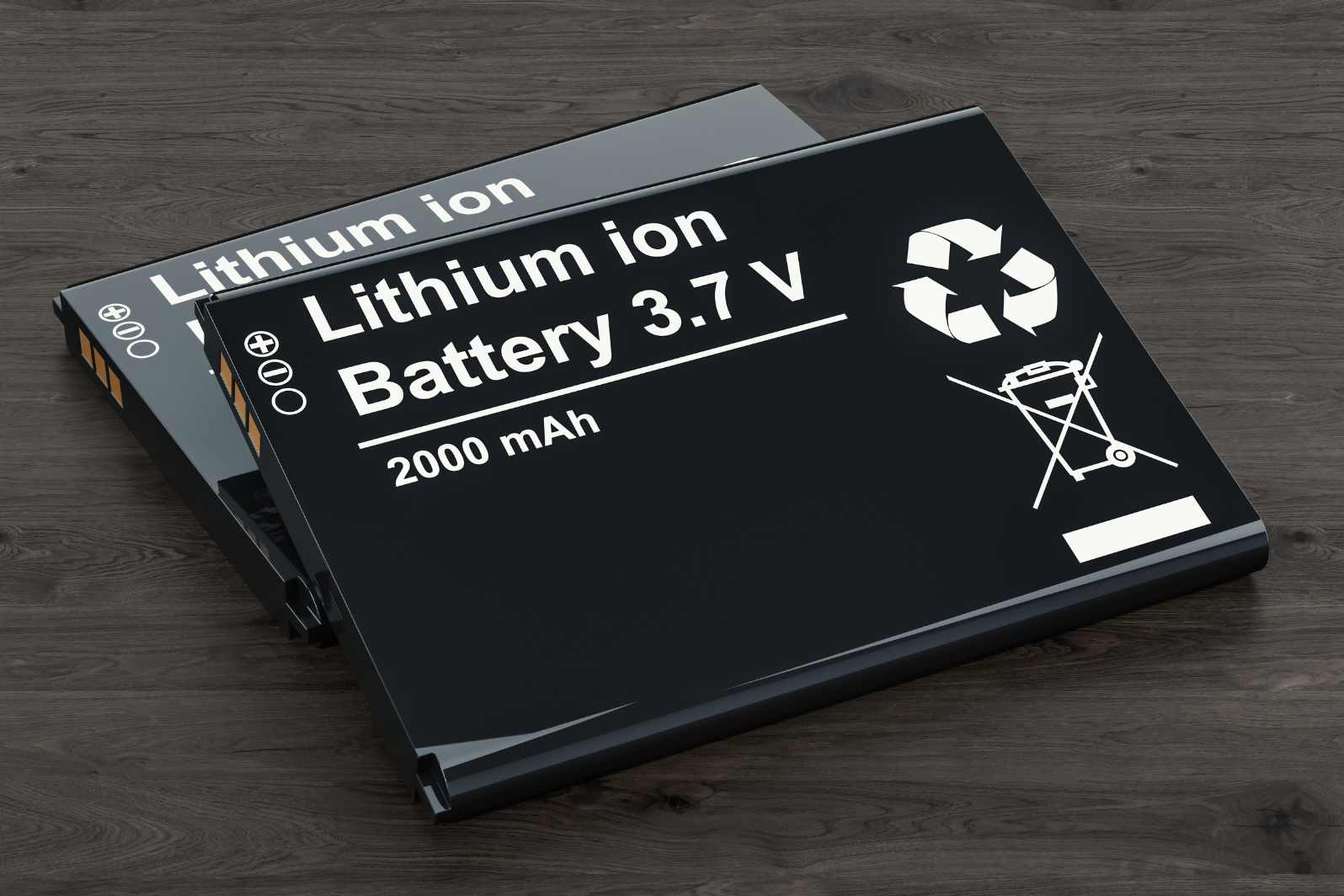
Batteries are the new nucleus of technology. From cellphones to electric cars, we rely on them daily. As our world moves toward cleaner energy and smart gadgets, there’s a lot happening in battery technology. Not only are these advances helping batteries last longer, they also are making them safer, faster and more environmentally friendly. Let’s examine some of the significant developments defining the future of batteries.
Solid-State Batteries
One of the most promising innovations are solid-state batteries. The solid materials in them set them apart from the liquid electrolytes that have been used in conventional lithium-ion batteries. This also makes them safer, as there’s less risk of fire or spills. They also store more energy and charge at a faster rate, the latter of which could mean they will enable electric cars to travel farther on a single charge and be plugged in for less time.
Lithium-Sulfur Batteries
Lithium-sulfur batteries are also being increasingly explored because they can achieve a higher energy storage density at lower cost. Sulfur is cheaper and more abundant than cobalt or nickel, two materials often used in lithium-ion batteries. That’s the sort of thing these batteries could power, as their design is lightweight.
Sodium-Ion Batteries
Both the Gre:en and Stockholm ones are also looking at whether sodium-ion batteries could be a friendly alternative to lithium-based batteries. This is cost-effective and an environmentally friendly alternative to the lithium-based batteries due to affordable and abundant sodium compared to lithium. They may not yet quite have have the same energy density as batteries made of lithium, but they’re perfect for large-scale storage of energy in things like solar and wind power plants.
Fast-Charging Technology
One of the biggest complaints about batteries is that they take forever to charge. Latest innovations include batteries that can be charged within minutes instead of hours. The new fast-charging batteries (which are certainly not limited to phones, but will power everything from cars down the line) are poised to change the way we all use our gadgets—phones included.
Recycling and Second-Life Use
There is also very serious concern of the problems surrounding battery waste. Businesses are figuring out ways to recycle old batteries and make use of materials like lithium, cobalt, nickel. A number of used car batteries from electric vehicles are getting a second life on the power grid. This so helps reduce wastage as well as cut the costtable aclu-in-the-news issue and thus, cuts money.
Wireless Charging Innovations
In the future, batteries may not even require plugs. Wireless charging pads and over the air charging systems are already being tested. Envision a world in which your phone charges while sitting in your pocket, or while driving, your car juices up as it cruises along smart roads.
The Road Ahead
Battery breakthroughs will determine the future of clean energy, electric vehicles and smart devices. The next generation of batteries offers the promise of things like better storage, faster charging times and lighter, more eco-friendly options – ushering in our clean energy future, free from power shortages.
FAQs:
Q1. What is the greatest bottleneck in battery technology currently?
The main struggle is to find the right blend of energy density, safety, cost and sustainability.
Q2. Will solid-state batteries replace lithium-ion?
Yes, but it will take time. The remaining challenges are mass production and cost reduction.
Q3. In what way are batteries related to renewable energy?
They also bank energy from solar and wind, adding reliability to renewable power.
Q4. Can sodium-ion batteries replace lithium-ion?
Despite that, they may never completely replace lithium-ion, but could be a formidable competitor when it comes to large-scale storage.
Q5. Are new battery types safe?
Most new designs are concentrated on being safer, creating less fire hazard and being eco-friendly.
