

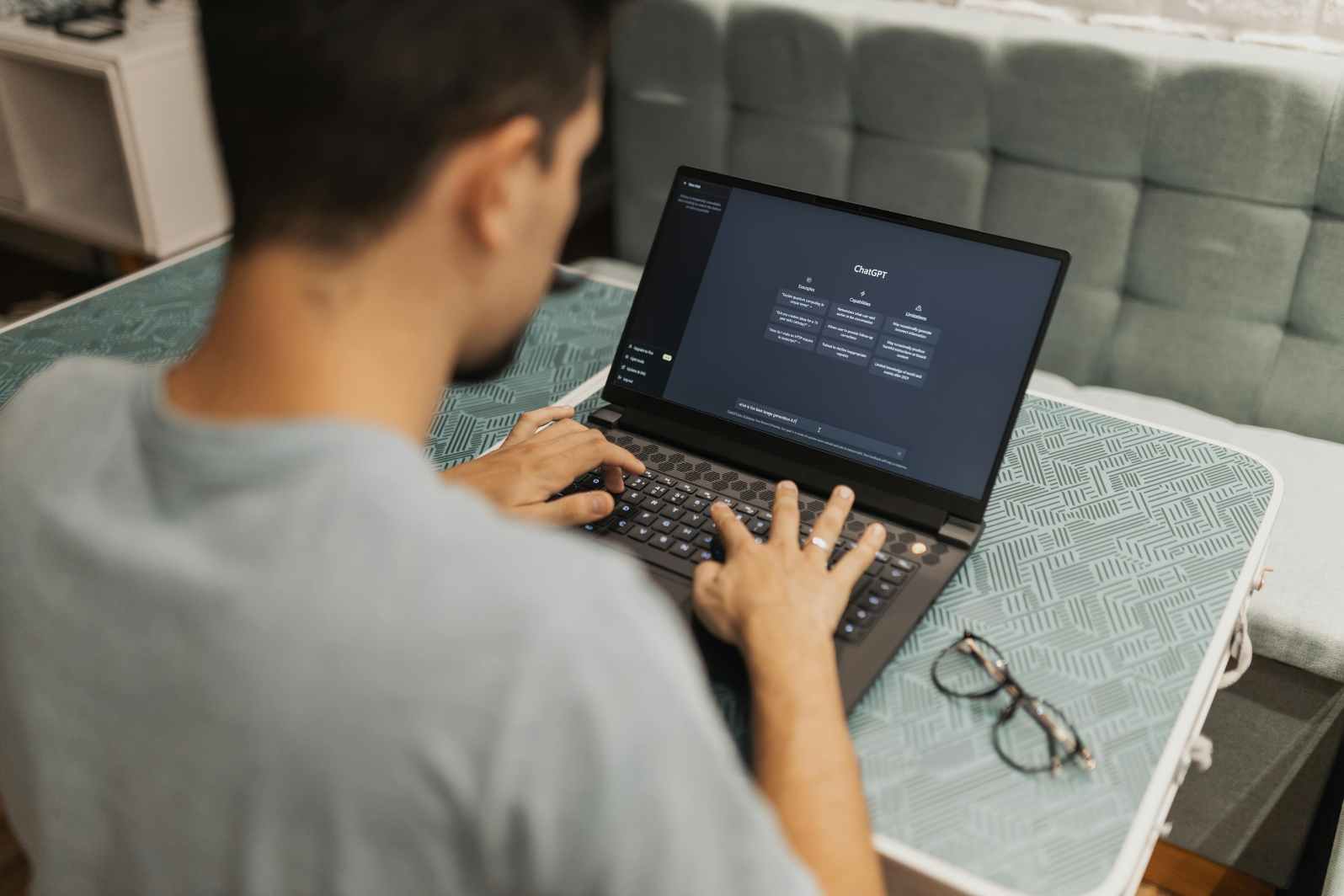
Education has always depended on teachers, tutors or mentors to lead the learners. But in the digital age, technology is changing how we study and learn. Among the most exciting innovations are AI-powered tutoring systems. This is software that employs artificial intelligence to teach students, provide feedback and even assess their progress. The big question: Can algorithms truly replace human mentors?
In this series ‘How AI and Computing Are Transforming Education,’ we will take a look at strong areas, struggles and future.
The Rise of AI in Education
Artificial Intelligence has infiltrated classrooms, e-learning platforms and coaching institutes. AI is becoming integral to learning, from basic chatbots that take questions to advanced bots that develop personalised learning plans.
And the touch and input systems that support them are not confined to schools – they also feature in competitive exam coaching, language learning apps and corporate training programmes. They can personalize lessons based on the speed and comprehension of their students, something not even the best human teachers can do easily with large groups.
How AI Tutoring Systems Work
AI tutors – or virtual tutors – rely on algorithms to monitor a student’s progress. They monitor how quickly the student responds, when and what errors they are committing, and the frequency with which these same mistakes occur. At a click, the system generates a tailored learning journey using this data.
For example:
- If one struggles with algebra, the system provides extra practice in that.
- If another student is fast with grammar, the system takes them through advanced lessons more quickly.
This personalized learning is the appeal of AI tutors for students who desire flexibility.
Advantages of AI Tutoring Systems
1. Personalised Learning
AI adapts to every student. It differs from a fixed classroom approach as it shapes the course according to the needs of each individual, making sure that the time spent is relevant and engaging.
2. 24/7 Availability
AI tutors never take a break. Students can get them anytime, which is great for late-night studying or when teachers are unavailable.
3. Instant Feedback
AI can provide instant feedback, rather than relying on a teacher to have the time to evaluate students’ work. This helps learners to learn from mistakes when they are made.
4. Data-Driven Insights
Progress can be monitored in great detail by parents and teachers. AI assessments give a sense of weak areas and strengths which in turn can guide better.
5. Cost-Effective Learning
Private tutors are pricey. There are plenty of affordable AI tutoring systems available, particularly for subjects like math, science and language learning.
Limitations of AI Tutoring Systems
1. Lack of Emotional Connection
A human coach motivates, inspires and is emotionally intelligent. There is no AI substitute for a real teacher’s warmth and encouragement.
2. Limited Creativity and Context
AI follows programmed logic. Its responses might be less successful when students ask creative, open-ended or real-life questions that move beyond textbooks.
3. Dependence on Technology
Not every student has access to reliable internet and devices. An over reliance on AI will grow the gulf between the privileged and underprivileged learners.
4. Ethical Concerns
AI systems gather data on students. This has privacy and security implications, if not responsibly managed.
Can AI Replace Human Mentors?
The answer is no, and this is because AI can facilitate and augment learning—but not fully replace humans as mentors. A teacher does more than transfer information. They are role models, they motivate and encourage, they solve problems. Many times students also need support in aspects such as decision-making, critical thinking, and emotional urgencies — things around which AI does have any control.
The hybrid is the future of education:
Artificially-intelligent tutors can cover the heavy lift of running through routine lessons, practice tests, and tracking progress.
Then human mentors could concentrate on other tasks: Guiding, inspiring and character building.
They have the potential, together, to make learning more effective and inclusive.
The Future of AI in Learning
And, in the next few years, we’ll see AI tutors get smarter. They could feature voice recognition, emotional analysis and virtual reality classrooms. But it is the human mentor who continues to be critical for inspiring confidence, teaching discipline and fostering empathy in learners.
FAQs:
Q1. What does an AI-driven tutoring system do?
It’s a digital learning platform that employs artificial intelligence to instruct, assess and advise students.
Q2. Can AI tutors replace teachers?
NO An AI can give lessons and feedback, but it cannot be a replacement for the emotional motivations of humans in terms of being mentored.
Q3. Are AI tutoring systems costly?
A number of artificial intelligence-based apps and platforms are less expensive than private tutors, so students can save their money.
Q4. Are AI tutors effective for all subjects?
They are great for structured subjects such as maths, science and languages. Creative subjects still require human “relativeness.”
Q5. Is AI tutoring platforms secure to use?
Not if the platform follows data privacy rules, no. Students and parents should consult safety guidelines before engaging with them.
