

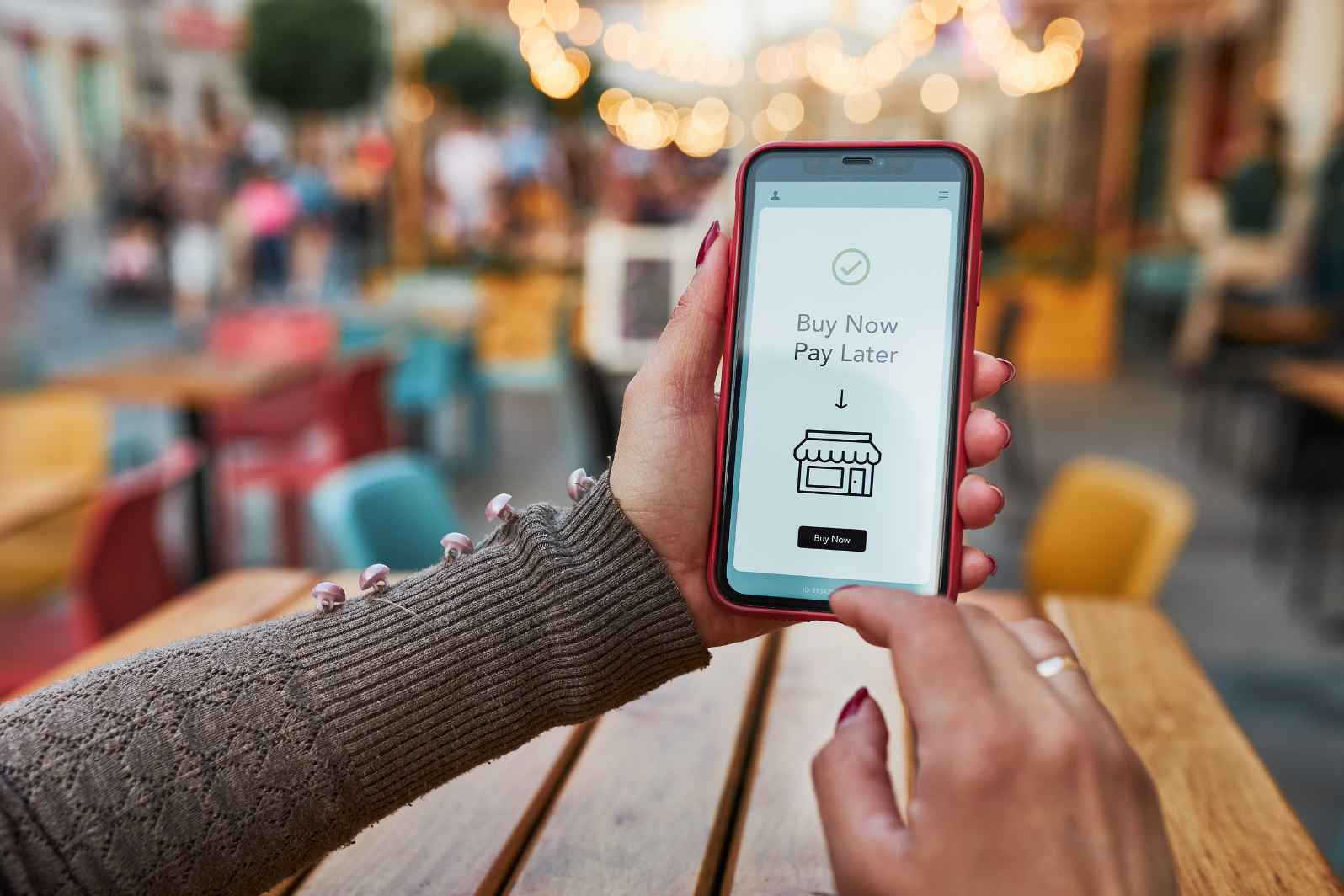
Buy Now, Pay Later (BNPL) apps have transformed the internet shopping in recent years. In clothes and electronics, travel and furniture, these apps enable buyers to make easy installment payments instead of paying the full amount upfront. In 2025 BNPL services are more in demand than ever. But popularity has its advantages and disadvantages. I want to explore the two sides and see how they come into play today.
What is Buy Now, Pay Later (BNPL)?
BNPL is a payment method that allows consumers to purchase items immediately and pay for it at a later date in instalments. These payments typically are interest free if paid on time. In India, popular BNPL apps are Klarna, Afterpay, ZestMoney, LazyPay and Simpl.
Benefits of BNPL Apps in 2025
1. Easy Access to Credit
BNPL apps provide easy access to small amounts of credit without a drawn-out approval process. And unlike standard bank loans or credit cards, they are easy to use.
2. Interest-Free Payments
Many apps will let you pay in installments without interest, as long as you make timely payments. This makes larger purchases more manageable.
3. Budget-Friendly Shopping
BNPL enables people to purchase what they need without straining their monthly budget. For instance, a new phone worth ₹30,000 can be purchased in three instalments of ₹10,000.
4. No Credit Card Needed
In India, it is not surprising that so many people don’t have a credit card. BNPL apps close this gap by providing similar advantages without the need for a card.
5. Boosts Online Shopping
E-commerce platforms experience increased purchases when BNPL is available. This makes purchases more flexible and convenient to buyers.
Risks of BNPL Apps in 2025
1. Hidden Fees and Charges
Although many apps advertise “zero interest,” there can be stiff penalties and service fees if you’re late on even one payment.
2. Encourages Overspending
“Because the instalment amounts appear small, users don’t realize they added up and then oversubscribe themselves,” he said. This leads to a debt trap.
3. Impact on Credit Score
Failure to stay current on payments may impact your credit score. Some apps now report repayment behavior to credit bureaus, which can make it risky for inattentive users.
4. Lack of Consumer Awareness
Many users, especially first-time borrowers, often do not comprehend the terms and conditions. That uncertainty can create financial anxiety.
5. Data Privacy Concerns
BNPL apps get access to a trove of personal and financial data. In 2025, leaks and misuse remain a worry.
How to Use BNPL Safely
- Make sure you read the T&Cs whenever using.
- Pay installments on time to prevent late fees
- Only use Buy Now, Pay Later for planned purchases, not impulse buys
- Track your BNPL *See all of your active BNPL loans in one spot
- Because trusted apps with clear policies are the only foundations for us.
FAQs:
Q1. Is BNPL better than a credit card?
BNPL is more accessible than credit cards. But if you use them wisely, credit cards can provide more rewards and long-term value.
Q2. Do BNPL apps affect my credit rating?
Yes. Credit bureaus now hear from many apps. Paying on time helps your score; late or missed payments can damage it.
Q3. Are BNPL apps in India safe?
They are safe to use on reputable services. But people still need to be wary of late fees and data privacy.
Q4. Am I able to use BNPL for in-store purchases?
Yes. There are many BNPL players who offer solutions for offline payments now in 2025, using QR codes and UPI.
Q5. Is BNPL a good way to shop for luxury?
It’s best to reserve your BNPL services for the things you need, or at least something you’d been planning to buy. Applying it to luxury items could lead to financial anxiety.
Conclusion
Buy Now, Pay Later apps have also made the act of shopping in 2025 easier, quicker and more nimble. They offer short-term credit and interest-free instalments, most especially for younger customers. The dangers of being charged hidden fees, spending to excess or incurring debts cannot be discounted. As with any financial instrument, buy now pay later should be wielded with discipline. When done right, it also can be a clever way to shop. But untempered, it can create unnecessary financial issues.
