

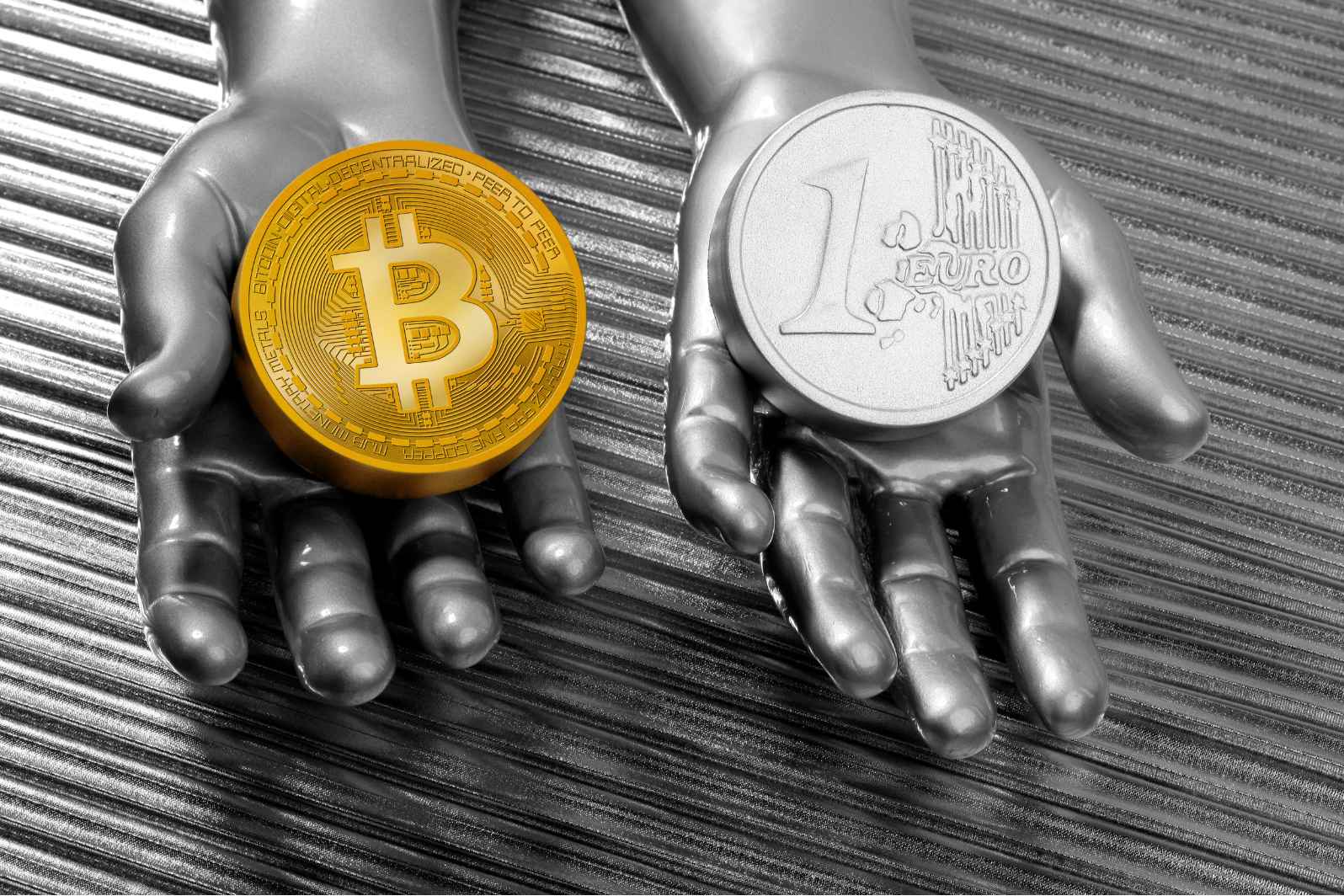
Decentralized Finance (DeFi) is an increasingly popular topic of conversation in financial circles these days. A lot of people wonder what that means and how it is different than the banking we are all used to. Both are designed to help people manage, borrow, save and invest money – but their mechanics are wildly different. Let’s learn about DeFi and then see how it differs from regular banks.
What is DeFi?
DeFi is a set of financial tools built on blockchain technology. It eliminates the need for banks or any intermediaries. It relies instead on smart contracts, or programs stored on a blockchain that operate automatically when certain conditions are satisfied. Through DeFi, any individual with an internet connection can send, borrow, lend or trade money without needing to use a bank.
What is Traditional Banking?
Banking traditionalists are the banking system we all grew up with. Banks are intermediaries between people and their money. They offer things like savings accounts, loans, credit cards and investments. But banks also manage the flow of money, establish rules and charge fees for their services.
Major Differences Between DeFi and Conventional Banking
1. Control and Ownership
- Your money is their plaything when the bank owns it! They control interest rates, approve loans and set limits.
- You don’t have that kind of control in DeFi. Your digital wallet is now under your complete control, and to manage it, there’s no central authority.
2. Accessibility
- Banks also need proofs such as ID, address and many times minimum balance too.
- DeFi is accessible to anyone with an internet connection and a digital wallet. No approval or bureaucracy is required.
3. Transparency
- Bank systems are not fully transparent. Customers are not always aware of how banks use the money in their accounts.
- DeFi, after all, is built on blockchain, which is public and open. Each transaction is recorded and may be verified.
4. Speed of Transactions
- It can take days for a bank transaction to clear, especially if it involves an international transfer.
- DeFi transactions are typically quick and take a few minutes anywhere in the world.
5. Costs and Fees
- Banks have many fees, such as an account maintenance fee or transfer fee, and ATM service charges.
- DeFi slashes these costs by eliminating the middlemen. Blockchain fees (gas fees) may be applicable, but they are typically cheaper than the fees you would get from a bank.
6. Innovation and Services
- Banks, with their fixed services mind-set, also move slowly around new technology.
- DeFi, in particular, is booming with new offerings such as yield farming,liquidity pools, and decentralized exchanges.
7. Security
- Security – The banks safety is through government regulation and insurance.
- DeFi depends on technology. It’s secure by virtue of blockchain, but that doesn’t mean it is safe from danger — say, hacking or smart contract bugs.
Why People Choose DeFi?
DeFi is popular because it offers freedom, speed and transparency. It is particularly helpful to underserved people who may not have access to banks. And it enables staking and lending platforms with much higher yields.
Why People Still Trust Banks?
Banks are government-backed, so people feel safe about their money. Banks also have customer service that meets face to face, which DeFi does not. Banks are important for large corporations and long-term trust.
Insights into the Future of DeFi and Banking
It’s important to remember that DeFi is early and still evolving. It has the potential to revolutionize how money moves around the world. But the traditional banks will not go away anytime soon. Rather they might learn from each other. Banks could integrate blockchain-like features, and DeFi could tighten its safety measures.
FAQs:
Q1. Is DeFi safe to use?
DeFi runs on a platform called blockchain, which is generally secure, but there are potential risks like hacks and scams. Users must research before investing.
Q2. Can DeFi replace banks?
Not entirely, at least for now. Banks continue to provide such services as physical branches, customer service and government-backed security.
Q3. If you want to start decrying the economic system you can create a bank account with, do I need a physical bank for DeFi?
No. All you need is a digital wallet and an internet connection, and you can access DeFi services.
Q4. What are gas fees in DeFi?
Gas fees are tiny amounts that you pay to execute transactions on the blockchain network.
Q5. Who controls DeFi?
No one company or government governs DeFi. It’s powered by smart contracts on decentralized networks.
