

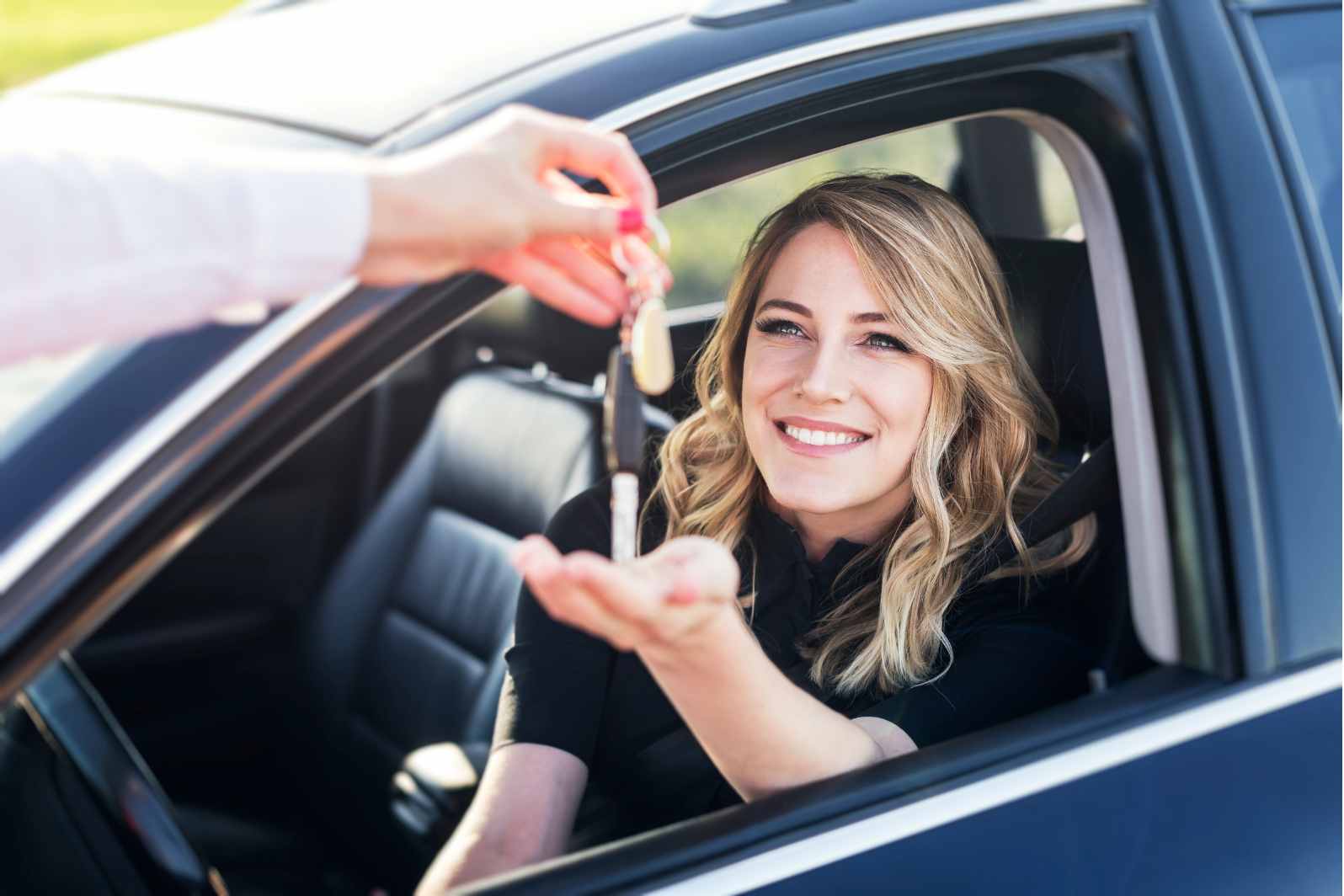
The car-buying landscape is changing rapidly. For decades, the typical car buyer had one choice — visiting a dealership, negotiating for a price and then closing the deal. Today, things are different. Direct-to-consumer (DTC) car sales are disrupting the traditional dealership model by enabling customers to purchase cars directly from manufacturers. This model eliminates middlemen and allows for a more transparent buying process.
What Are Direct-to-Consumer Car Sales?
Under the direct-to-consumer model, carmakers sell vehicles directly to consumers. They can found car models online and configure features – and buy without a visit to a “traditional” showroom. In many cases, the car can even be delivered directly to the buyer’s front door.
Why This Model Is Gaining Traction
There are a number of factors behind this shift:
- Digital convenience: It’s easier for people to make large purchases online.
- Honest pricing: No hidden fees or endless negotiations.
- Customise: Customers can customise their car online.
- Quicker process: Skipping paperwork at the dealership shaves time.
Benefits for Buyers
- Cost: Because you don’t pay dealership commissions, cars can be cheaper.
- Better experiences: Customers receive clear information about what is available and the cost of their plan.
- Doorstep delivery: Cars show up like any other online purchase.
Benefits for Manufacturers
- Relationships with customers at closer distance: Direct sales provide companies with more data and feedback.
- Brand control: The buying journey is something that manufacturers can influence.
- Increased margins: The absence of middlemen means more profit.
Challenges in Direct Sales
Even though the model is attractive, it faces some challenges:
- Legal restrictions: In many areas, the law dictates that vehicles must be sold through dealerships.
- After sales service: Buyers still require local service centres they can rely upon.
- Consumer confidence: Some shoppers like to see a car in person before purchasing.
Future of Car Buying
The future appears to be here a mix of the two models. Though dealers will not completely disappear, direct-to-consumer car sales will increase – especially for electric vehicles and tech-centric brands. As laws change and consumer confidence increases, more consumers will want to buy cars from the brand website.
FAQs:
Q1: Is it true that I can purchase a car online from the manufacturer?
Yes, already many brands allow you to personalise and order a car online without seeing one in a showroom.
Q2: Will direct sales reduce the price of cars?
In many cases, yes. Prices can be more competitive because there are no dealer commissions.
Q3: Servicing and maintenance if I purchase directly?
Some new motor vehicle owners will still get their vehicles serviced at authorised service centres. Direct sales are just a shift in the buying process, not the servicing.
Q4: Will dealerships go away entirely?
Not soon. There is still a place for dealerships in test drives, after-sales service and local presence.
Q5: What are examples of direct-to-consumer companies?
Tesla is the most famous example, but many of the thousands of new electric vehicle startups are attempting to tread a similar path.
