

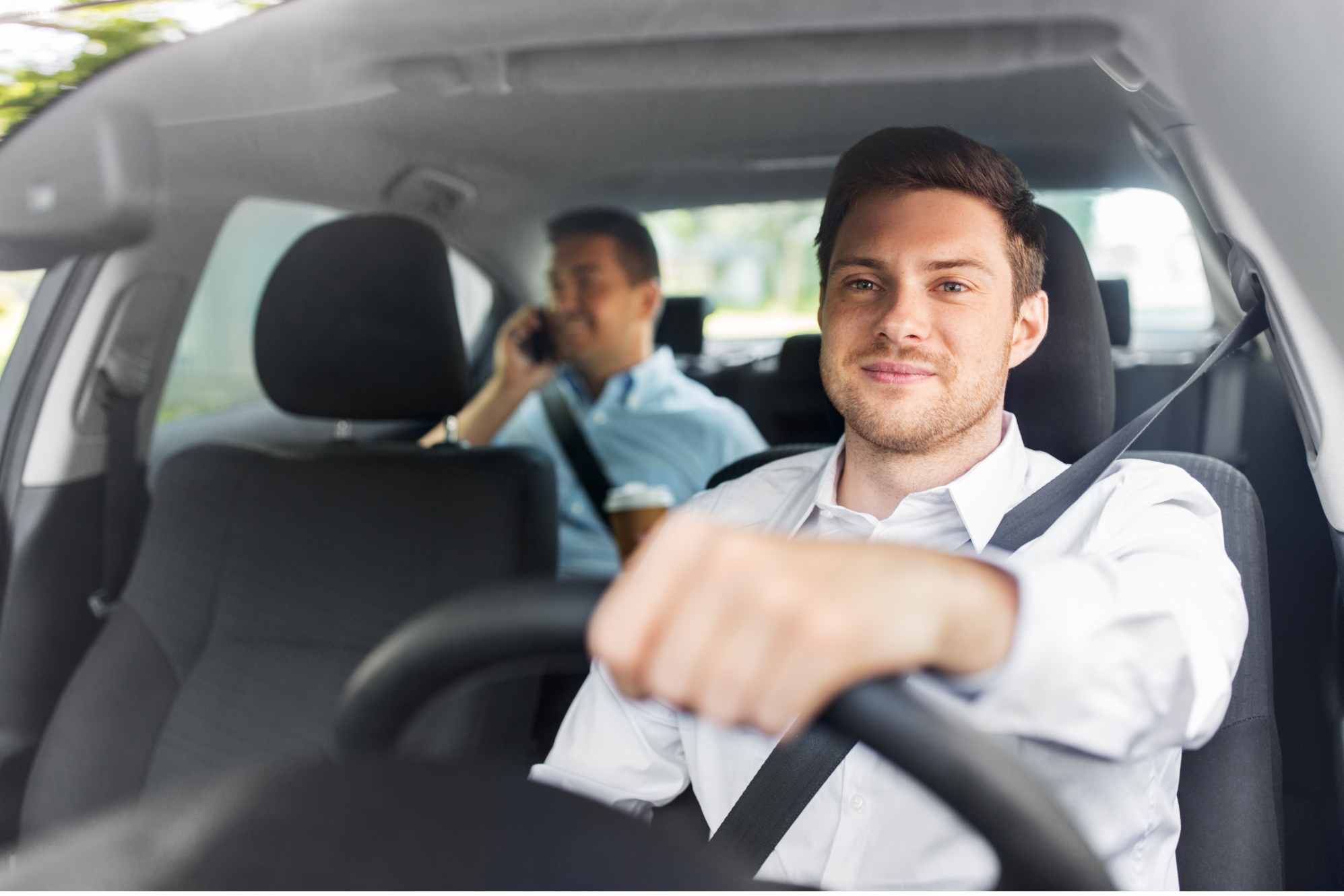
It used to be that cars were all about speed, convenience and safety. But these days technology has inserted a new level — health.” Sticks and stones can’t hurt your bones, but new cars certainly can. That means your car can monitor your heart rate and stress levels — and may even alert you to medical emergencies while you’re behind the wheel. This technological intelligence is driver health monitoring. It is modifying the way we think about road safety and personal well-being.
How Driver Health Monitoring Works
Cars offering it rely on smart sensors, cameras and artificial intelligence systems. These gadgets can gather important health information and provide immediate feedback. Some cars also use sensors in the steering wheel to monitor your heart rate and stress. Others are checking breathing patterns with seat sensors. More sophisticated systems even feature infrared cameras that scan the driver’s face and eyes.
The data is compiled into a central system. If it detects unusual patterns, such as a very high heart rate or signs that the driver is drowsy, the car warns the driver. Sometimes it can even slow the car or bring it to a stop to avoid accidents.
Benefits of Monitoring Driver Health
1. Early Detection of Health Issues
Cars could be a healthcare sidekick. It can also alert you if it notices any unusual heart activity, before a major health incident happens.
2. Prevention of Road Accidents
A lot of the accidents are caused by fatigue or sudden medical conditions. A health-tracking car would be able to alert you if you are too tired or unwell to drive.
3. Stress and Fatigue Management
A few measure stress levels and recommend breaks or calming techniques. This may lead to increased mindful driving during long drives.
4. Emergency Response
In a medical emergency, the passenger-triggered feature can even contact emergency services on some cars automatically. They can share your location and health information with rescuers that may help them get to you more quickly.
5. Better Driving Experience
They also make driving safer and more comfortable by keeping tabs on your health.
Real-World Examples
- Mercedes-Benz uses sensors in the steering wheel to monitor the driver’s pulse.
- Ford has experimented with sensors in seatbelts to monitor heart activity.
- BMW is developing AI systems that can read the emotions and stress levels of drivers.
- Tesla is looking at in-cabin cameras for detecting driver fatigue.
Challenges in Driver Health Monitoring
Although this technology is very tempting, it has some complexity:
- Privacy Questions: Storing health information raises questions about who has access.
- Precision: Sensors have to be precise enough to minimize triggers of false alarms.
- Expensive: More sophisticated monitoring systems can mean higher car prices.
- This is about trust: drivers must believe in these systems for them to work.
The Future of Health-Aware Cars
Over the next few years, driver health monitoring will be more prevalent. With stronger A.I. and greater wearable integration, cars could pair themselves with your smartwatch or fitness band. Rather than just a vehicle, they will serve as health guardians. Beyond that, soon cars might even give us personalized health tips, guided breathing exercises and diet advice during travel breaks.
FAQs:
Q1. What is Car Driver’s Health Monitoring?
That’s a system that monitors the driver’s heart rate, breathing and fatigue using sensors and AI.
Q2. How do vehicles measure health indicators?
They incorporate steering wheel sensors, seat sensors, infrared cameras, and in some cases the integration of wearable devices.
Q3. When the driver suffers a medical emergency, can the car stop?
Yes, certain advanced systems can actually slow down the car or bring it to a safe stop and summon emergency services.
Q4. All driver health monitoring in all cars – Is it available?
No, right now it is used in luxury or high-tech cars but that will change quickly.
Q5. What are the key advantages of this approach?
It aids in early-detection of health problems, lowers the number of accidents, controls stress and allows for rapid response in any case of emergency.
