

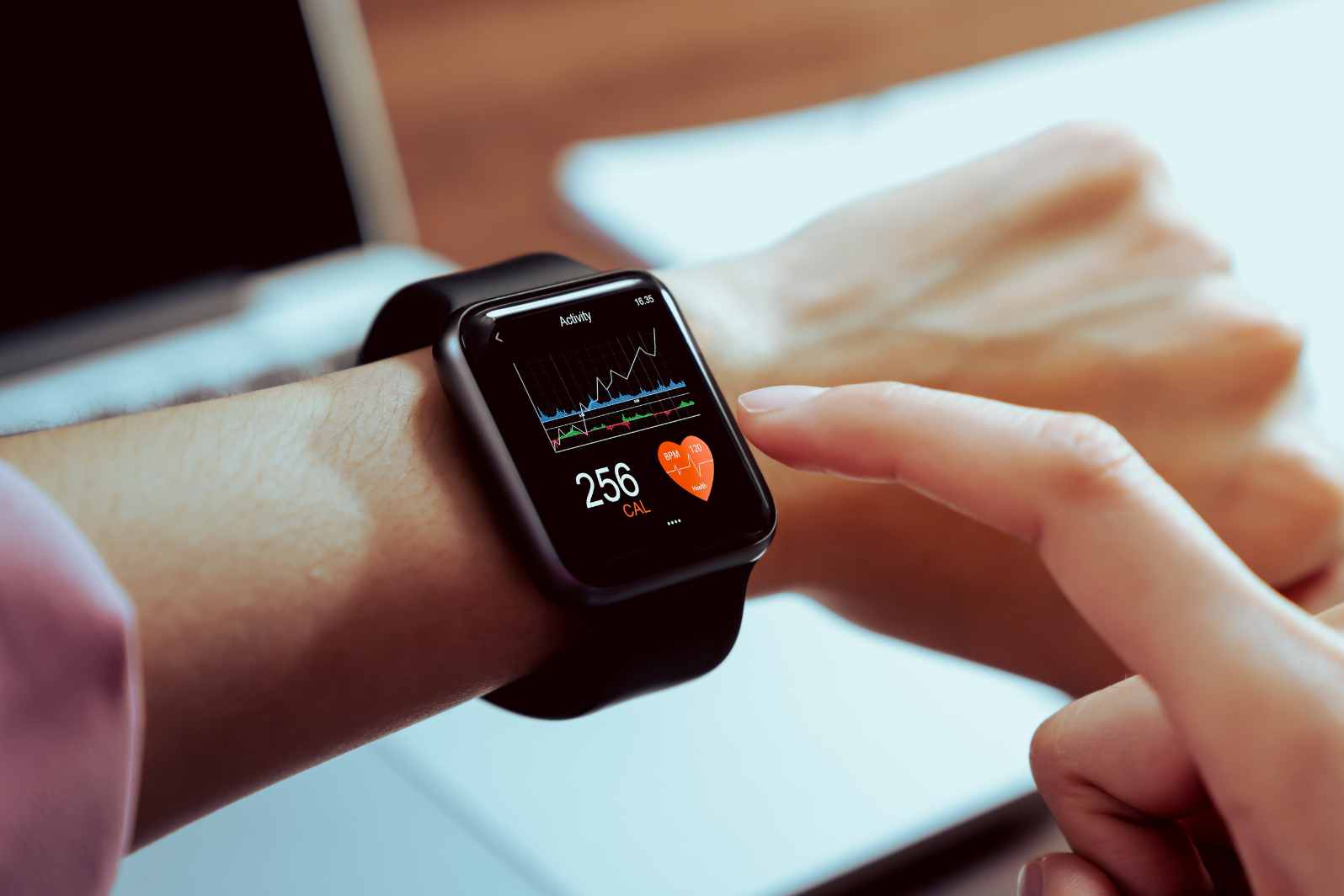
Technology is revolutionizing the way companies care for their workers. One of the most significant changes in recent years is health wearables at work. They’re not just fitness trackers any longer, these small gadgets. They’ve evolved into instruments that enhance well-being, increase productivity and lower medical spending for businesses.
What Are Health Wearables?
Health wearables are a type of smart wearable device with purpose that people can attach or wear on their body. They monitor health indicators like heart rate, sleep, stress, exercise and calories burned. Some more advanced models can even track blood oxygen levels, ECG and blood pressure.
Smartwatches and fitness bands are common examples with smart clothes taking a place here too. Now in offices, these tools are being used to promote healthy living and spot early symptoms of health problems.
Benefits for Employees
- Improved Health Literacy – Staff receive in the moment updates about their health. This makes them more aware of the choices they make in their lives”.
- Stress Management – Some watches also monitor your stress levels and offer breathing exercises to help relax.
- Increased Physical Movement – Wearables can track when to remind employees to move around when they have been sitting for too long.
- Better Rest – Sleep monitoring can help workers check how well they are sleeping and adjust if necessary.
Benefits for Employers
- Increased Productivity – You get more done with healthy workers.
- Prevents sick leaves- Detecting health risk at an early stage takes care of long leaves.
- Lower Healthcare Costs – Businesses that embrace health tech also tend to spend less on insurance claims.
- Employee Engagement – Wearables-enabled wellness programs help employees feel valued and supported.
Pitfalls of Wearables at Work
With wearables come the pros and cons:
- Privacy fears – Employees may concerned about how their health data is being used.
- Expense – It can be costly to outfit all your employees with these devices.
- Acceptability – Not everyone likes the idea of using these or feels comfortable using them.
The Future of Workplace Wearables
Wearables will get better and more accurate as our technology improves. Future devices could identify the early warning signs of disease, address mental health and even connect with workplace wellness platforms. And organizations implementing these tools today can start to be ready for a healthier and more productive tomorrow.
FAQs:
Q1. are wearables safe to use every day?
The overwhelming majority are very safe – they’re a low-energy class of devices and much more benign than outright injected sensors.
Q2. Do employers have access to personal health information?
This depends on company policy. Most programs rely only on nonspecific data in order to protect privacy.
Q3. Do wearables really improve productivity?
Yes, workers who are healthier generally have more energy, better focus and fewer sick days.
Q4. What kind of workplaces use wearables?
They are used by corporate offices, factories, logistics firms and even healthcare organisations.
Q5. Must workers foot the bill for such devices?
In some companies, the employer issues the devices. In others, workers may opt for their own.
