

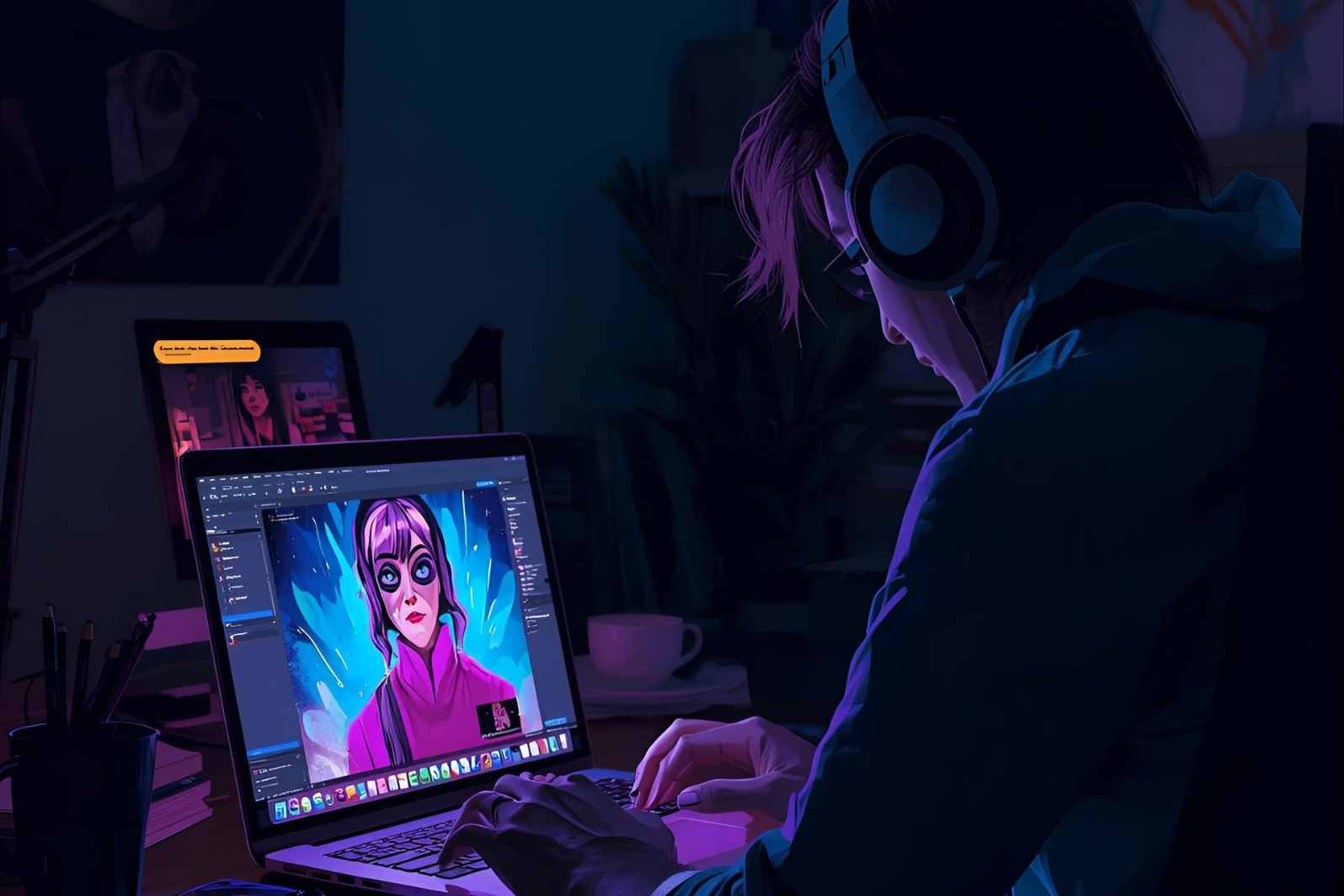
Generative AI is one of the hottest topics right now. Inspired to write a story, create music or produce artwork using technology? I tested three AI programs that can motivate you and provide the needed skills — and help change the way we think about creativity. It is a moment that some want to celebrate and others to fear. The key question here is: is generative AI a friend to creative workers, or is it their enemy, threatening them with extinction?
What is Generative AI?
For the uninitiated, Generative AI are systems that produce content. That could be text, images, music or video — anything really. Examples of such tools include ChatGPT, MidJourney and Stable Diffusion. These systems are trained on a large number of data and then create new texts from user input.
Generative AI and Its Implications For Creativity
Generative AI can be an artist, writer, and creator’s best friend. It provides new opportunities that had never been possible before.
1. Boosts Productivity
AI can handle time-consuming tasks. It can, for instance, draft an article’s outline, suggest design ideas or create background music. This gives creative workers the ability to concentrate more on tweaking and upgrading.
2. Expands Imagination
Sometimes creators face “blank page syndrome.” AI can generate fresh ideas, give starting points, and even show different styles. Writers can try out story twists, designers can explore new patterns, and musicians can test melodies.
3. Makes Creativity Accessible
Drawing and writing professionally are not for everyone. With AI, anyone can make something beautiful. An untrained artist can create a digital painting in moments. This clears the way for more voices and a more creative space.
4. Helps in Collaboration
AI is not just a tool – in some ways it can function as a partner. For instance, a filmmaker might be able to use AI to quickly storyboard ideas and share them with a crew. This is a time saver and helps everyone grasp the vision more concretely.
The Concerns and Challenges
But AI also brings challenges. It is the enemy of many artists.
1. Job Security
Will human creators lose jobs if AI is able to write, draw or make music? Some worry that businesses will choose AI-generated content because it is quicker and cheaper.
2. Quality and Originality
AI learns from existing content. This raises questions about originality. Can A.I. really make something new, or is it merely remixing what came before? Human creativity, though, brings its emotions, culture and experiences. AI lacks these qualities.
3. Ethical Issues
There are concerns about copyright. AI frequently learns from the works of real artists without their consent. Whose AI is it anyway? In many countries, this remains a highly contentious debate.
4. Risk of Overuse
The risk may be that if everyone becomes too dependent on A.I., then human abilities could erode. The result may be that creativity becomes machine-driven rather than human-driven.
Finding the Balance
The truth is, generative AI is also both your friend and enemy. It depends on how we use it. Rather than competing with AI, creators can view it as an augmentation to their skill set. Human creativity combined with the speed and power of AI can produce astounding results.
AI can be a tool for artists to experiment with, but the finishing touch should still be human. Authors can tear a page from AI to kick-start their imagination while bending the story into their voice. Artificial intelligence, in the form of AI-generated music, can assist musicians in trying out melodies but not the emotions that only they possess and thus can communicate.
FAQs:
Q1. Could generative AI take the place of human creativity?
No – A.I. can help, but you cannot replace the depth, emotion and originality that humans bring.
Q2. Is AI-generated content considered original?
AI generates content using patterns from known data. It can seem creative, but in many cases it’s a remix of what already exists.
Q3. How can AI be beneficially used by creators?
What creators should do is treat AI as a partner. Use technology for brainstorming, efficiency and options, but let the human maintain ultimate control.
Q4. Will AI result in job loss in creative industries?
There will be some automation of routine tasks but there are also new types of jobs we couldn’t have imagined 10 years ago like AI tool trainers, prompt designers and AI augmented creatives.”
Q5. What is the next frontier for AI in creative work?
The future may lie somewhere in between human creativity and A.I. assistance. The most successful creators will be those who figure out how to work with AI, not against it.
