

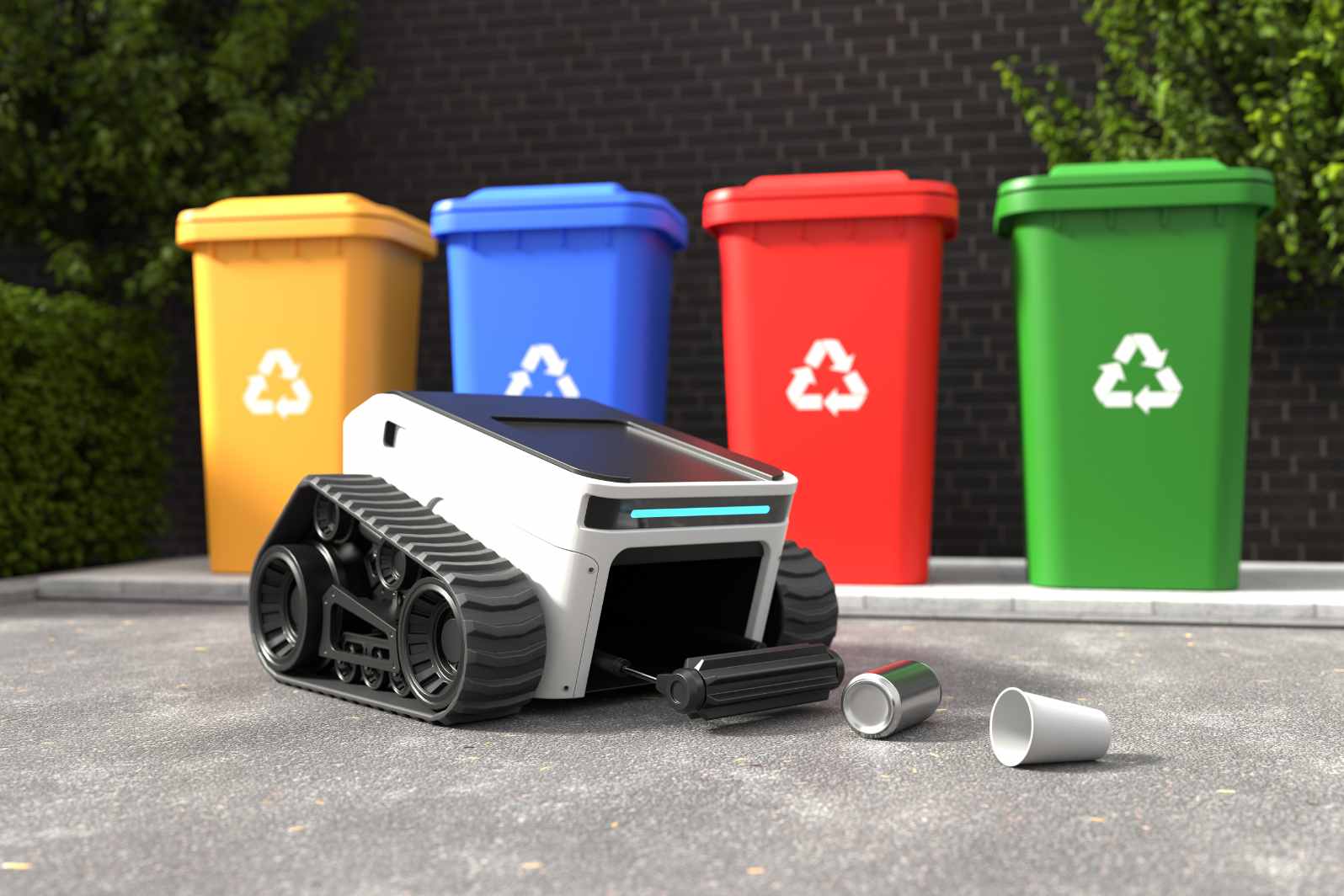
According to these “plastivists,” plastic waste is the single greatest issue facing our planet today. Each year, millions of tons of plastic make their way into oceans, rivers and landfills. And this waste can take hundreds of years to decompose, causing death and destruction to marine life, animals – even ourselves. Now, to combat this escalating problem, scientists and engineers are trying out a cool solution: plastic-eating robots. These high-tech robots will search for, gather and can also break down plastic waste to make cleaning up the environment both faster and more efficient.
What Are Plastic-Eating Robots?
Plastic-eating robots are programmed machines that can identify and process plastic waste. Some robots are tiny and operate in rivers or lakes, while others are big and clean up large ocean patches. They rely on sensors, cameras and artificial intelligence to recognize plastic waste and remove it from other materials. Some more sophisticated ones can even shred plastic and convert it into usable energy.
How Do They Work?
These robots combine mechanical parts with smart software. Many robots drift along water surfaces and employ either arms or nets to scoop up plastic. Others are diving into water to extract plastic that’s buried beneath the surface. Some earthbound robots comb beaches and parks for litter. The refuse is then either recycled or processed with special technologies.
And, interestingly, there are robots out there that run on the very plastic they are harvesting. They break down the waste and convert it into fuel so they can be self-sustaining.
Benefits of Plastic-Eating Robots
- Speedy Cleanup – Robots are able to gather plastic waste even quicker than humans.
- Safe for Humans – Cleaning Oceans and Rivers filled with pollution is dangerous. Robots mitigate danger for human workers.
- Economical – Over time, robots can be cost effect to keep things clean.
- Spiraling – Certain robots transform plastic into fuel, so there’s less waste and energy is created.
- Scalable – These robots can be used in a variety of settings from small lakes to large oceans.
Real-World Examples
- The WasteShark: A fish shaped robot and a vacuum cleaner for water spaces. It sweeps up floating plastic and debris in harbours and rivers.
- FRED (Floating Robot for Eliminating Debris):This robot is designed to float and paddle around water, consuming debris into its mouth-like entrance.
- OceanOne Robots: Developed for deep-sea exploration but can also be adapted to pick up waste at greater depths.
Challenges Ahead
But while plastic-eating robots offer promise, there are hurdles:
- Costs – Building and maintaining robots is expensive.
- Short Reach – Robots can not yet clean all plastics.
- Energy consumption – Several robots require huge energy which can contribute towards environmental impact.
- Maintenance – You’ll need to be fixing and updating things all the time.
Researchers are looking into how to tackle these challenges so robots can become more practical and cheaper.
The Future of Environmental Cleanup
The latest in tech could soon have us witnessing fleets of robots collaborating to clean up the oceans, rivers, or beaches. The projects also are attracting attention from governments and private industry that may want to contribute resources. If they are combined with recycling and less plastic use, these robots could make a big difference towards ending the global problem of plastics.
FAQs:
Q1. Can a plastic-eating robot really solve the crisis?
They’re not the only solution, but they can be just part of a bigger plan. Trimming back plastic use and increasing recycling as well are both vital.
Q2. Are these robots actually safe for marine life?
Yes, most designs mean to gather plastic without doing harm to fish or other animals.
Q3. Where in the world are plastic-eating robots at work right now?
They are already being trialled in rivers, harbours and the sea across various locations worldwide.
Q4. How do the plastic-eating robots benefit the environment?
They take out bad garbage, shield animals and convert plastic into clean energy – when they are not on strike from work.
Q5. Will they replace human workers?
No, they will help humans by performing dangerous and repetitive cleanup work.
