

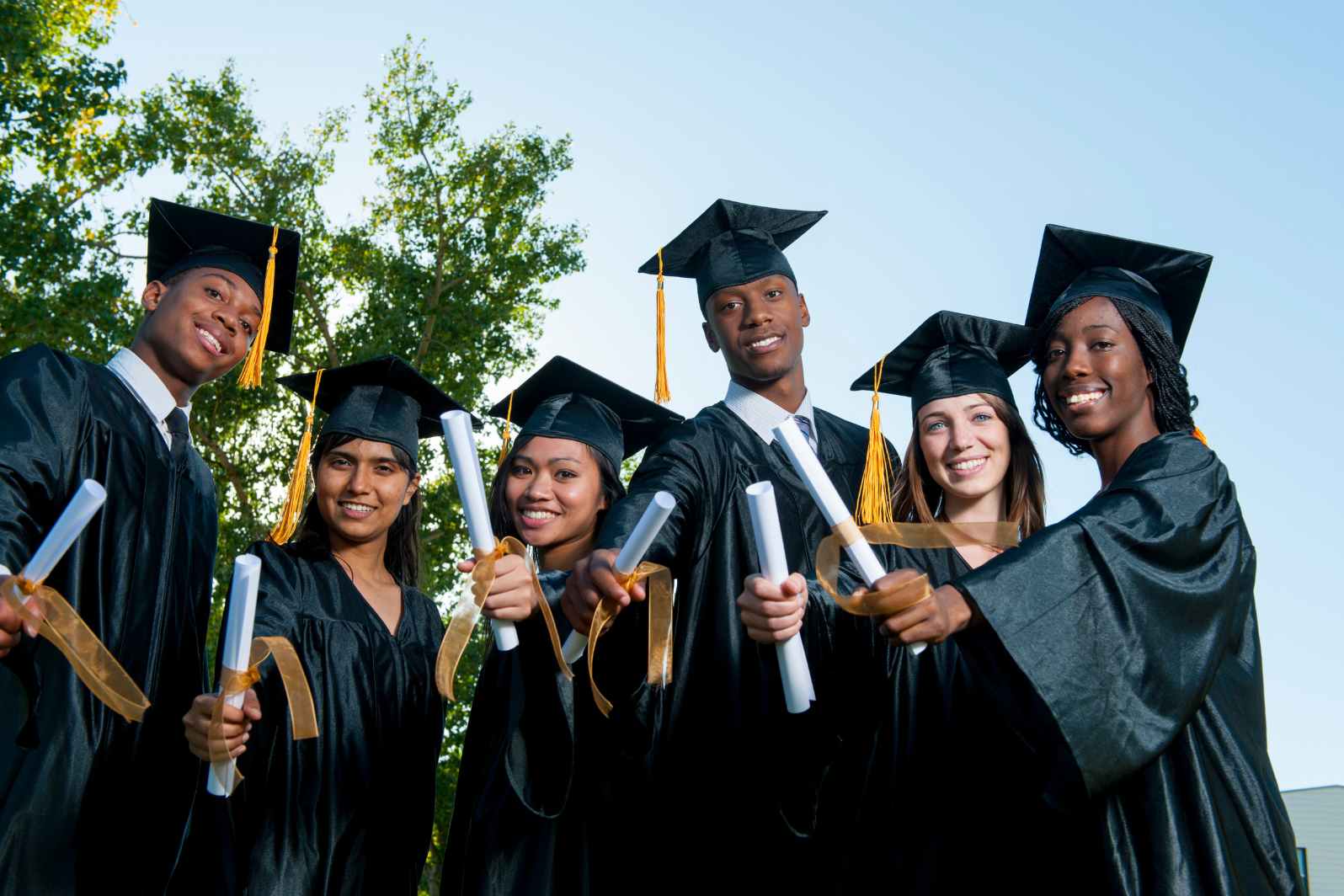
Education is not just about rote learning and examination passing anymore. In this fast-moving world, schools need to equip students with skills and mindsets that transcend textbooks. This is where the notion of a “Portrait of a Graduate” enters in. It defines exactly what students should look like before they leave school. But what would readiness look like in 2025? Let’s explore.
Why Portrait of a Graduate Matters
The future is uncertain, but one thing FOR sure: students will have to be flexible learners. Jobs are changing, technology is advancing, and global connections have never been stronger. A degree alone is not enough. Most employers now want problem-solvers, collaborators and ethical leaders. A portrait of a graduate is a tool to help schools align what their graduates need to know and be able to do with the real-life demands they will face after high school.
The Changing World of Work
The workplace is no longer merely about technical expertise by 2025. Artificial intelligence, robotics and automation are transforming organizations. New lines of work are opening, old ones are disappearing. In order to do so, graduates must balance book smart with street savvy. Employers want people who can remain flexible, exercise critical thinking and provide innovative solutions.
Core Skills for 2025 Graduates
1. Critical Thinking and Problem-Solving
Graduates have to be able to cut through deeply complex situations, ask the right questions and find workable solutions. It is a skill that allows them to confront the real-time problems rather than only depend upon static answers.
2. Creativity and Innovation
Technology can simulate, but no one can beat human creativity. Graduates need to be trained to think differently, merge ideas and spawn something novel. In all areas innovation will be in the hands of clever people.
3. Communication and Collaboration
The strength of collaboration is clear communication. A 2025 graduate should be able to articulate their ideas, listen actively and work well in diverse groups – whether that takes place in person or virtually.
4. Adaptability and Resilience
The world we live in is changing faster and faster. Graduates must be comfortable with uncertainty, agile and capable of coming back after failing, they said. Their resilience will make them stronger with every challenge.
5. Digital and Data Literacy
From responsibly deploying AI to understanding data, digital literacy is key. Technology is now part of every career path. Always those students can get ahead who can think intellingently when it comes to digetal tools.
6. Global and Cultural Awareness
The future workforce is global. It would challenge U.S. students to learn about foreign cultures and appreciate diversity, working together across borders. An understanding of culture leads to a more cohesiveness communities.
7. Ethics and Responsibility
“Graduating should not only be about being successful, but making ethical decisions. As good corporate citizens, they are also socially and environmentally conscious.
How Schools and Teachers Help Form This Vision
Schools have the largest influence on preparing students for out-of-school life. It’s more than just rote learning that is needed in the classroom. Instead, schools should:
- Project-Based Learning, students apply what they learn to their own real-world projects.
- Develop team spirit and leadership ability through the group work.
- Embed technology into learning and get students ready for digital jobs
- Collaborate with industry and communities offering real time exposure
Teachers are facilitators who encourage students to think for themselves and solve problems in an innovative way. They also build students’ confidence, curiosity and empathy.
Real Life Portrait of a Graduate
A high school student who looks something like that in 2025 could:
- Create a project that interdisciplinarily integrates science, design and storytelling
- Apply AI solutioning on a local issue responsibly Let’s (i)Solve influence…
- Collaborate with team members across cultures in a simulated project
- Embrace failures, learn from them and come back with better thought.
- Demonstrate respect, empathy and fairness in all personal contacts.
Why Families and Communities Matter
But schools alone cannot do this work. Families need to promote curiosity, problem-solving and resilience at home. Opportunities may be developed by communities for students to practice their skills on actual projects. Together, the support they create for this institution builds confident graduates.
Looking Ahead to 2025 Readiness
The portrait of a graduate is not about adding to the list of what should be taught but shaping a vision of where education needs to go. A perfect alumnus is one who is confident, flexible and creative.” They’re prepared to meet new challenges with courage and resourcefulness. By 2025, readiness will be preparing not just for jobs but for life.
FAQs:
Q1. What does a graduate profile look like?
The portrait of a graduate is a framework for the specific skills, traits and values high school graduates should have at their disposal when they leave school. It is about them being prepared for life and work, not just academically.
Q2. Why is the 2025 Graduate Portrait important?
Everything is changing fast in the world, technology and globalisation. It is this profile that will prepare students with the skills necessary to succeed in life and work beyond HSC.
Q3. What are the skills that matter most for a 2025 graduate?
They are referred to as the 7 C’s: critical thinking, creativity, communication, collaboration, character, culture and citizenship.
Q4. What should schools do to help achieve this vision?
Schools can also encourage project-based learning, teamwork and have students work with digital tools, as well as real-world experiences.
Q5. What can families do to be prepared?
Families can support by promoting curiosity, resilience and problem-solving at home. Their guidance culminates in students that are responsible and confident.
