

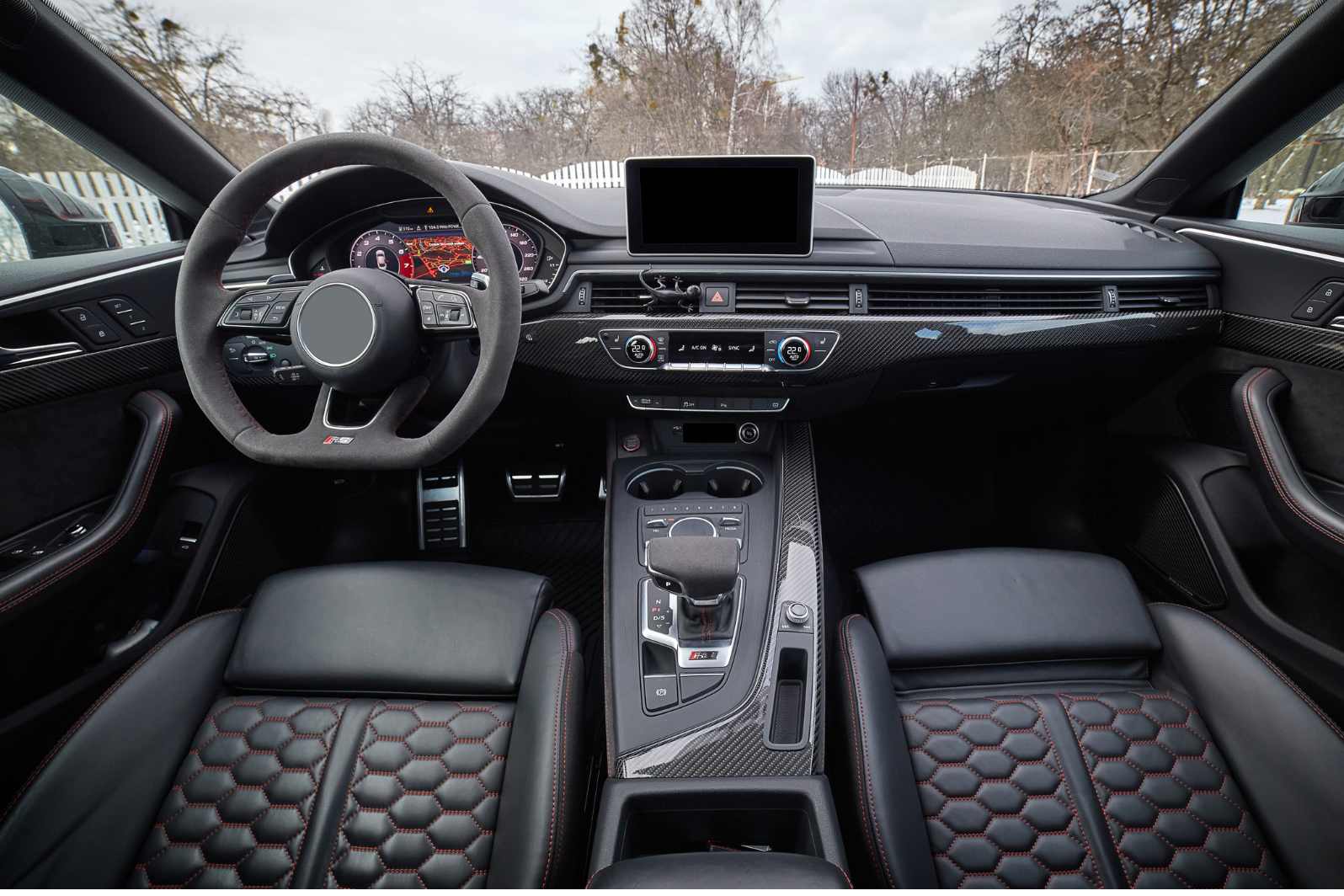
The interior of cars has changed a lot in recent years. Previously, it has been manufactured primarily of leather, plastic and metal. And yet today, carmakers are looking toward non-polluting alternatives. And among the biggest trends: recycled products in car interiors. It not only minimises waste but is also a step towards a greener future.
Why Car Companies Are Recycling What Goes Into Cars
The automotive industry is being pressured to minimize its carbon footprint. Consumers are also increasingly aware of sustainability. Using recycled materials offers a way for manufacturers to provide a mix of design, comfort and eco-friendliness. These materials offer a solution to the reliance on natural resources, while at the same time that manufacturing cost is kept low.
Recycled Material Used in Car Interiors
1. Recycled Plastics
Plastics recovered from bottles, packaging and even ocean waste are being recycled into car seats, dashboards and trims. This method is already being used by companies such as BMW and Ford. The plastic is cleaned and then processed into strong car interior parts.
2. Recycled Fabrics
And car seat covers, headliners and carpets are frequently made from recycled polyester. These polyester materials often are derived from old clothes or PET bottles. It’s soft, premium, and very long-lasting.
3. Recycled Metals
Some of the interior elements, such as seat frames and small fixtures, are being made with recycled aluminum or steel. These substances are not degraded in strength by recycling.
4. Recycled Rubber
Worn tyres are shredded and recycled into car mats and soundproof materials. This lessens landfill waste, and brings an extra layer of strenght to the inside.
5. Natural and Organic Materials
Some automakers are even dabbling in natural fibres such as hemp, kenaf and jute. These fibers are stronger and lighter than plant-based ones so they’re used in door panels and seat fabrics.
Advantages Of Recycled Materials In Automobiles
- Environment-friendly: Reduces waste and pollution.
- Economical: Production costs can be save eventually.
- Long-lasting: Most recycled products are just as sturdy and strong as their newer counterparts.
- Soft: Recycled materials are comfortable and breathable on the skin.
- Trendy: Automakers style eco interiors that are green and fashionable.
Examples from Leading Carmakers
- Tesla: Has vegan leather and recycled fabrics in its interiors.
- BMW: Has added seats made of ocean plastics in some models.
- Mercedes-Benz: Combines recycled fishing nets and PET bottles for its interiors.
- Ford: Produces seat fabrics with recycled bottles and insulation made out of old jeans.
Challenges in Using Recycled Materials
There are problems, though the idea is great. Waste is expensive to collect and clean. Quality control is also critical as interiors for cars have to meet safety and comfort requirements. It is a perception problem: people who were buying into the idea, but at the same time have an issue with the fact that recycling doesn’t feels luxury.
The Future of Car Interiors
The future of car interiors is green. As technology advances, recycled goods will be more prevalent and inexpensive. Within a decade there should be cars in which virtually each interior component is fabricated from recycled or renewable materials.
FAQs:
Q1. Are recycled materials for cars as strong as new ones?
Yes, the vast majority of recycled materials are subject to stringent testing. They are built to be as rugged as new ones.
Q2. Abstract Do car interiors made of recycled materials look cheap?
They do not, modern engineering means they don’t look cheap. Some luxury brands are already doing so.
Q3. Which car makes are leading ‘The recycled interior’ charge?
Brands like BMW, Mercedes-Benz, Tesla and Ford are leading the charge.
Q4. Will used clothes make cars cheaper to build?
In the long run, yes. They contribute to lowering production cost and waste management costs.
Q5. Will all cars in the future come with recycled interiors?
Yep, I reckon it will because sustainability is increasingly part of the auto industry conversation.
