

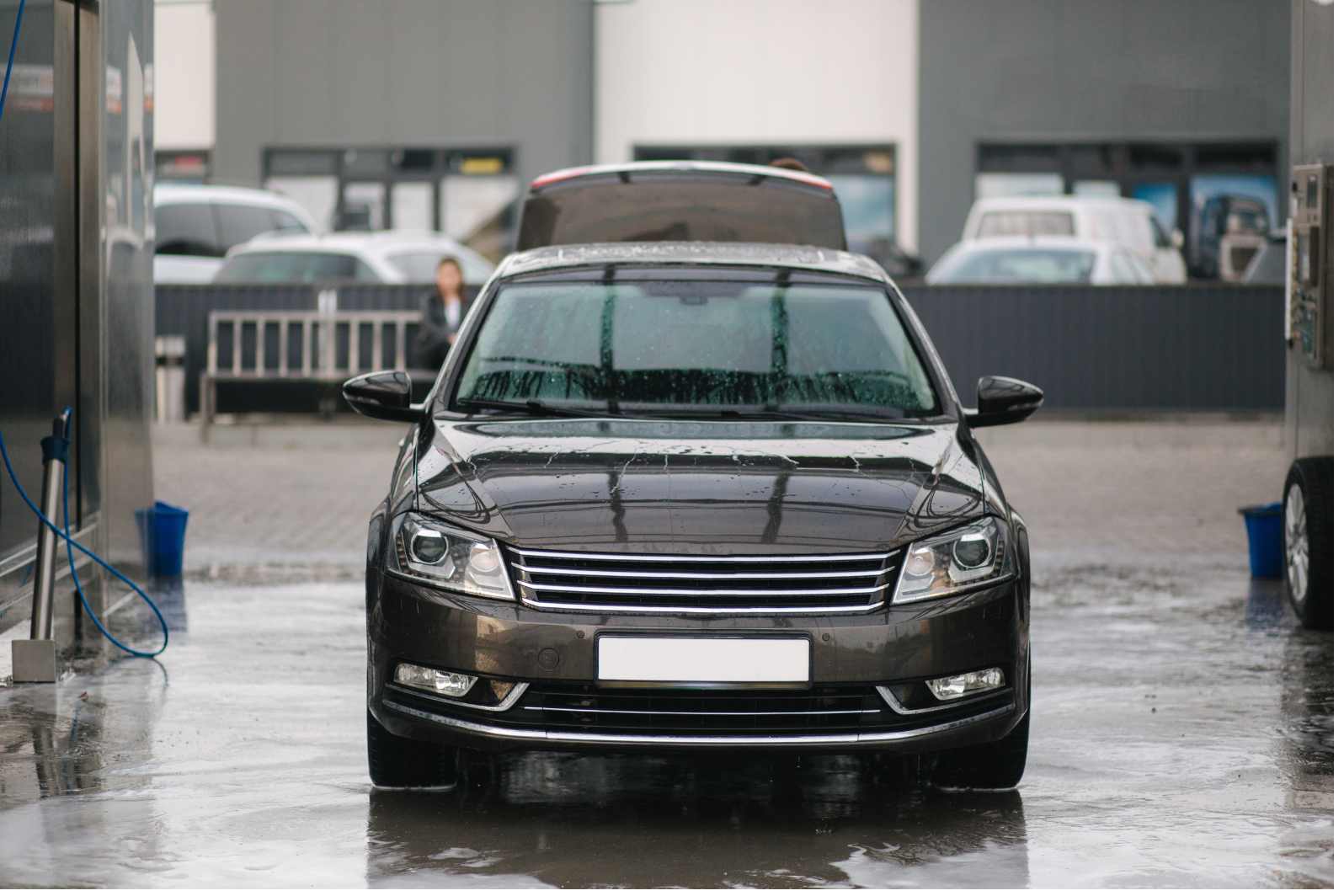
The future belongs to electric vehicles, but many car owners are not yet willing to discard their old vehicles. This is the challenge that retrofit kits address. All of which kits can turn a petrol or diesel car into an electric vehicle (EV). Think you need to purchase a new EV for an easy upgrade? You don’t! It is a trend that’s catching up globally, including in India, as it provides an affordable and greener option to be part of the EV revolution.
What Are Retrofit Kits?
Retrofit kits are unique conversion sets, which are used to replace a car’s engine with an electric motor and battery pack plus the other electronics. The kit is also provided with a controller, charger and an entire wiring system. In basic terms, it will convert any old ICE car to a pure electric vehicle.
Why Retrofit Old Cars?
Many reasons for retrofitting make good sense:
- Affordable: New EVs can be costly to purchase. Retrofitting costs less and utilizes your current car.
- Eco-friendly: This cuts the air pollution and decreases the fuel consumption.
- Longer life: You don’t scrap your old car, you give it a new life.
- Government support: In India, certain states offer subsidies and approvals for EV retrofitting.
How Do Retrofit Kits Work?
The process is quite simple:
- The car’s fuel engine, exhaust and fuel tank are stripped.
- There is an electric motor instead of the engine.
- A lithium-ion battery pack is carried, typically in the boot or under the seat.
- The assembly includes a controller, charging apparatus and wiring.
- With proper testing, the car is now ready to ride on electricity.
Benefits of Electric Retrofits
- Running cost: Electricity is cheaper than petrol or diesel.
- Whisper drive: No engine noise, rides are smoother.
- Lower maintenance: There are less moving parts in electric motors.
- Custom extend range: you can choose battery size according to working demand, by city transport to travel use.
Challenges of Retrofit Kits
Retrofitting is thrilling, yes – but also challenging:
- Upfront costs: A high quality retrofit kit can cost from ₹3–6 lakh in India.
- Battery life: It is expensive to replace batteries every couple of years.
- Regulation Hurdles: Not all retrofit kits are certified by the Automotive Research Association of India (ARAI).
- Space and weight: Batteries are heavy, so they can add weight and reduce boot space.
Popular Retrofit Kit Choices in India
- Boson Motors: Provides kits for hatchbacks and sedans.
- E-Trio: First to receive ARAI approval for retrofitted cars.
- Northway Motorsport: Famous for converting Maruti Dzire and Hyundai Accent.
- Loop Moto: Specializes in two-wheeler EV conversion kits.
Future of Retrofit Kits
Retrofit kits will be a significant part of India’s journey to its EV penetration targets. They’re ideal for someone who adores their old car, but also wants to drive green. As more players start competing in the market and government regulations come into sharper focus, retrofits may become de rigueur.
FAQs:
Q1. How much does it cost to modify a car in India?
At most, it should come to ₹3–6 lakh, depending on the model, battery size and company.
Q2. Is retrofitting legal in India?
Yes, but conditions apply as mentioned below: The kit should be ARAI approved and the RTO should endorse your new conversion.
Q3. Can I retrofit any car?
Not every car can be retrofitted. Typically, hatchbacks, sedans and some SUVs are eligible.
Q4. How long does it take to retrofit convert?
Alternatively it can take 2 -4 weeks, depending of complexity and parts availability.
Q5. How far can an electric car with a retrofit go?
Typical distance for converted cars is between 100 and 250 km per charge depending on the size of the battery pack.
