

People have been dreaming for decades of moving to big cities like Mumbai, Delhi or Bangalore. These metros were brimming with work, opportunity and ways of life. But in recent years, increasing numbers of buyers are turning away from these bustling hubs. Instead, they are flocking to “second cities” – smaller but very quick-growing urban areas that offer a better mix of work, affordability and quality of life.
This shift is transforming India’s real estate market – and the world’s. Let’s see why a lot more are migrating from the metros and settling in second cities.
What Are Second Cities?
Second cities are not villages and small towns. They are expanding cities with good infrastructure, growing industries and modern ways of life, but they are not as overpopulated or expensive as the biggest metros. India examples include Pune, Japiur, Indore Coimbatore and Surat. Now those areas are being discovered by young professionals, families and even retired people are seeking a quieter but still connected life.
Why Buyers Are Out In Big Cities
1. High Cost of Living in Metros
The biggest reason is cost. Many prospective buyers can’t afford property in cities like Mumbai and Delhi. Even a little rent on a small flat can consume half of someone’s paycheck. Daily expenses for such things as transportation, food and entertainment are also climbing. Second-city homes are far more affordable. Buyers can get larger houses for the price equivalent of a small flat in a metro.
2. Better Work-Life Balance
Metro Life is very hectic and stressful. Long traffic jams and crowded trains, late working hours are also reasons for less family time. Second cities are less congested and more open. People can stay at home more, commute less and lead healthier lives.
3. Remote and Hybrid Work Culture
The COVID-19 crisis forever altered the way we work. Many businesses have moved to remote or hybrid work. That also means employees don’t have to live near a metro office. Professionals are buying homes in second cities where they can work quietly but still fly off to metros when required.
4. Growing Job Opportunities
Earlier, metros had taken all the jobs. But today, second cities are transforming into job meccas. IT firms, start-ups, factories and service industries are all moving offices to cities like Pune, Chandigarh and Kochi. This has led to job creation in regions other than the big four metros.
5. Better Quality of Life
Second cities have cleaner air, less noise and more greenery. Families feel safer and children have more room to play. Many of these cities have state-of-the-art schools, good hospitals and shopping malls, offering metro comfort without the stress.
6. Government Push for Development
Smart city projects, improved roads, airports and digital infrastructure are being invested in by the Indian government in second cities. This makes them more desirable to home buyers and investors. People no longer feel so disconnected from metros if they are better connected.”
7. Real Estate Investment Potential
Property in second-tier cities is less expensive now, but prices are on a steady march upward. It’s viewed by investors as an opportunity to buy at cheaper prices and capitalize from future upside. Rental yields are also healthy as demand is up from students, professionals and migrants.
Favourite Second Cities for Home Buyers in India
1. Pune – It is called as the “Oxford of the East” having top IT hubs, universities and a very beautiful climate.
2. Chandigarh – A city designed to the hilt with high standards of living and nice commute to Delhi.
3. Coimbatore – Emerging popular destination for Textile, IT and in education South India.
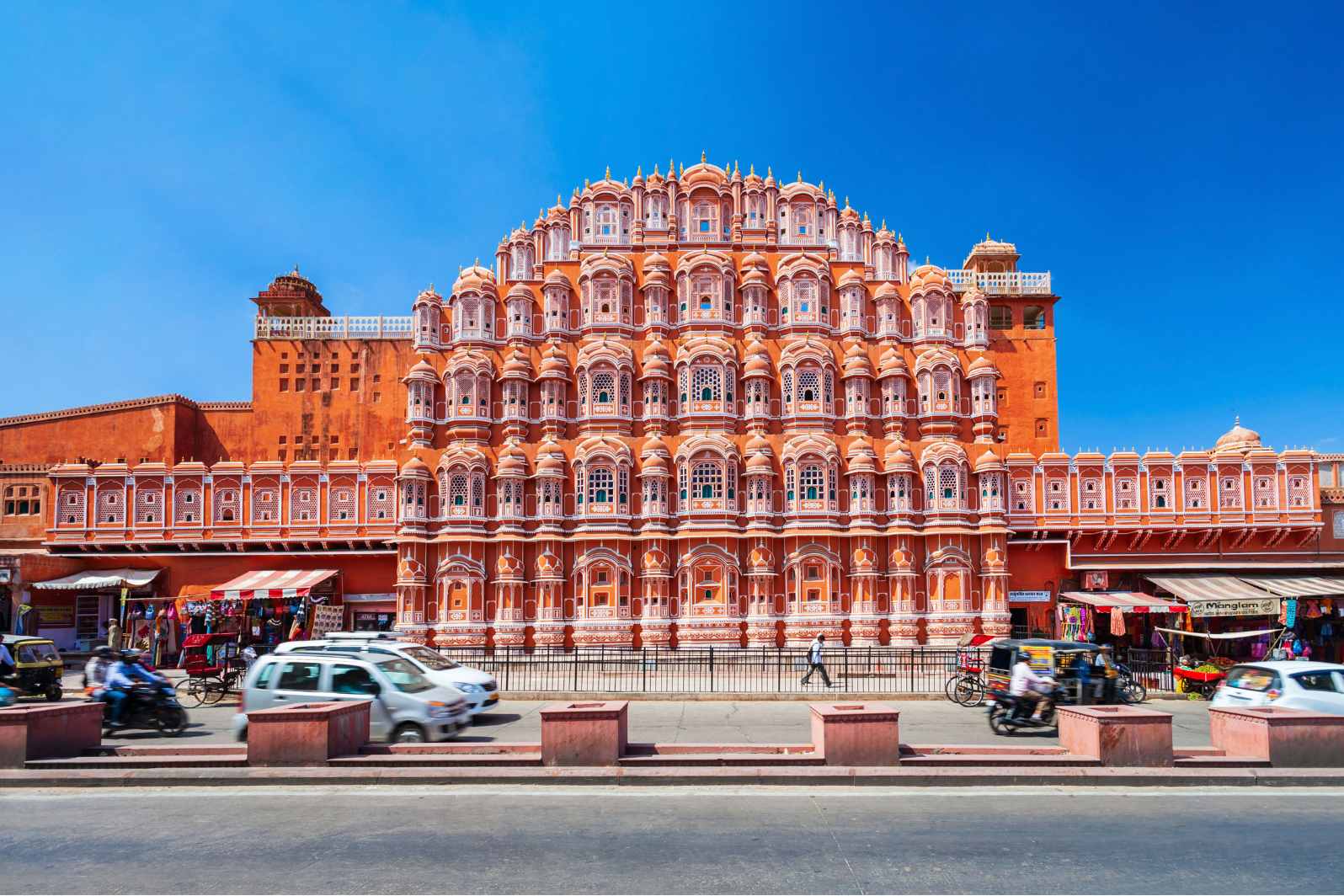
4. Jaipur – Part of the Delhi-Mumbai Industrial Corridor, offering cultural charm and modern growth.
5. Indore – One of the cleanest cities in India, known for its strong commercial and educational institutions.
6. Surat – An expanding real estate with diamond and textile hub.
The New Trend: Reverse Migration
In the past, those from small towns and second cities migrated to metros for better lives. But already, many are starting to go home or settle in second cities nearby. This “reverse migration” is motivated by telecommuting jobs, family concerns, and a quest for less stressful living.
Its effects on the Property Market
This is not a mere trend. Builders and investors are turning to second cities with greater intensity. Big real estate firms are unleashing new projects beyond the metros. There is an increasing demand for Low Cost, Gated communities and Plotted developments. Renting in these cities are also becoming more popular at a rapid clip.
Future of Second Cities
Second cities are poised to emerge as the next growth drivers of India’s real estate industry. With the right kind of infrastructure, jobs and urban planning, they can ease some of the pressure on metros and provide millions of Indians with a better quality of life. And the future of buying homes is not just big cities.
FAQs:
Q1: What is the reason for property prices being cheaper in second cities?
With land cheaper and demand only now beginning to spike, customers can buy larger homes at reasonable prices compared to metros.
Q2: Do job prospects truly thrive in second cities?
Yes there are many IT parks, industries and startups setting up in these cities providing jobs.
Q3: Is it smart to invest in second cities?
Yes, higher property values are also projected because of infrastructure. This (nipples) is generally a good long-term investment.
Q4: What’s the best second city for families?
Cities like Pune, Chandigarh and Coimbatore are favourites becasue of good schools, hospitals infection free environment.
Q5: Are second cities the new metros?
Not entirely, but they’ll help bear the pressure. Metros will remain significant but second cities will emerge as powerful alternatives.
