

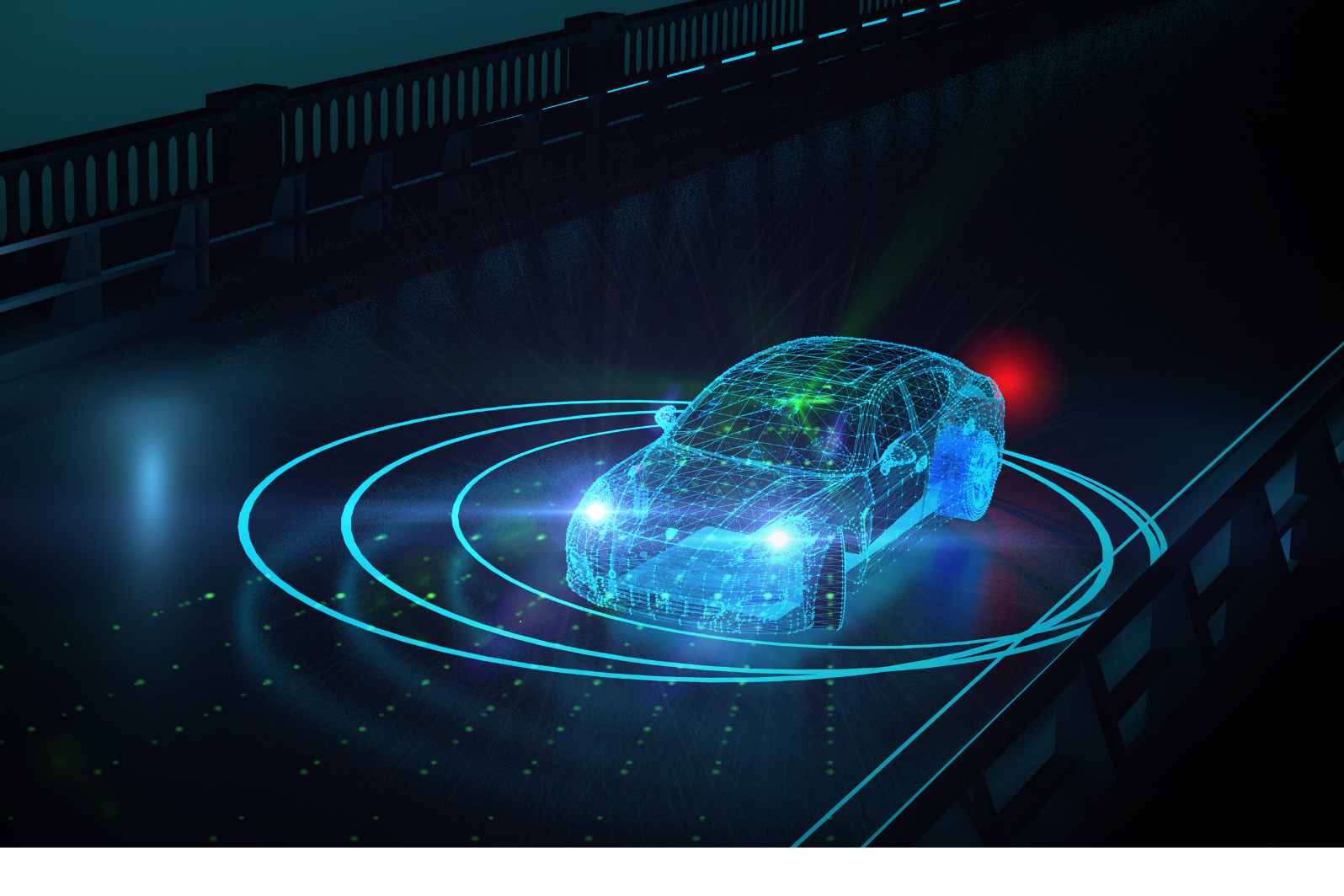
The automotive world is evolving at lightning speed. Cars now are more than engines, gears and metal. Today, they are starting to resemble smartphones on wheels. The ascent of software-defined vehicle (SDV) is a big break in this shift. And of course, these vehicles rely on software to regulate, update and optimize performance.
In plain language, a software-defined vehicle is defined as a car in which the software does more to define it than hardware. Carmakers can now upgrade through code changes rather than replacing car parts. In other words, your car can continue to get better even after you purchase it.
What Makes a Vehicle “Software-Defined”?
A classic automobile is powered primarily by hardware like engines, brakes and transmission. But in an SDV, the hardware is off-the-shelf and software makes it what it is. Just as you would update your phone, an SDV also updates over the air (OTA). This turns the car into a smarter, safer and more personal vehicle.
Benefits of Software-Defined Vehicles
1. Custom Performance
You have various driving modes – eco, sport and comfort – available to you as a driver. Some brands even offer the option of unlocking extra acceleration or battery range.
2. Constant Improvement
The regular over-the-air updates also keep cars current with brand new features. New technology doesn’t always require a new car.
3. Personalisation
Owners can personalise the interface, light, sound and even driving style to suit their preferences.
4. Better Safety
By code, automakers can fix bugs fast, make braking systems better or add driver-assist features.
5. Cost Efficiency
Instead of shelling out money for costly hardware upgrades, advances have been made in software. This is cheaper for manufacturers and individual car owners.
Examples of Software-Defined Features
- Tesla, a company that commonly refreshes its cars’ acceleration, autonomy and entertainment features using software updates.
- BMW has flirted with subscriptions for software-activated heated seats.
- Mercedes sells its most advanced driver assistance features as software upgrades.
Challenges in Software-Defined Vehicles
1. Cybersecurity – Connected “smart cars’ are vulnerable to hacking. Strong security is a must.
2. Privacy – With the user information stored in vehicles, concerns over data privacy are raised.
3. Reliance on Updates – Vehicle safety can be compromised by bad updates or bugs.
4. Costs of ownership – There can be a paid subscription for certain upgrades that not all users appreciate.
The Future of SDVs
The transition to software-defined vehicles has just begun. In the years ahead, cars will work like platforms on which developers design apps and features. That would open the door to cars getting smarter year by year without the need for new models.
That puts more control, and more options, in the hands of drivers. For car companies, it translates to quicker innovation and a direct link with customers.
FAQs:
Q1. What is a software-defined vehicle?
A software-defined vehicle is one that relies on software, rather than hardware, to control most functions and can be upgraded with better technology using just code.
Q2. Is there software that will enhance my car’s performance?
Yes, in many SDVs you can. With just a few lines of code, automakers can unleash extra power, better range or entirely new features.
Q3. Are software-defined vehicles safe?
Emergency room access also depends heavily on cybersecurity. Car companies seek to protect autos from hacking and data misuse.
Q4. Do I have to pay for upgrades?
Some features are available for free, but more advanced upgrades may appear as subscriptions or one-time purchases.
Q5. Will all cars of the future be software-defined?
SDVs are the way most new cars are headed. This is something that in 10 years will be what people expect.
