

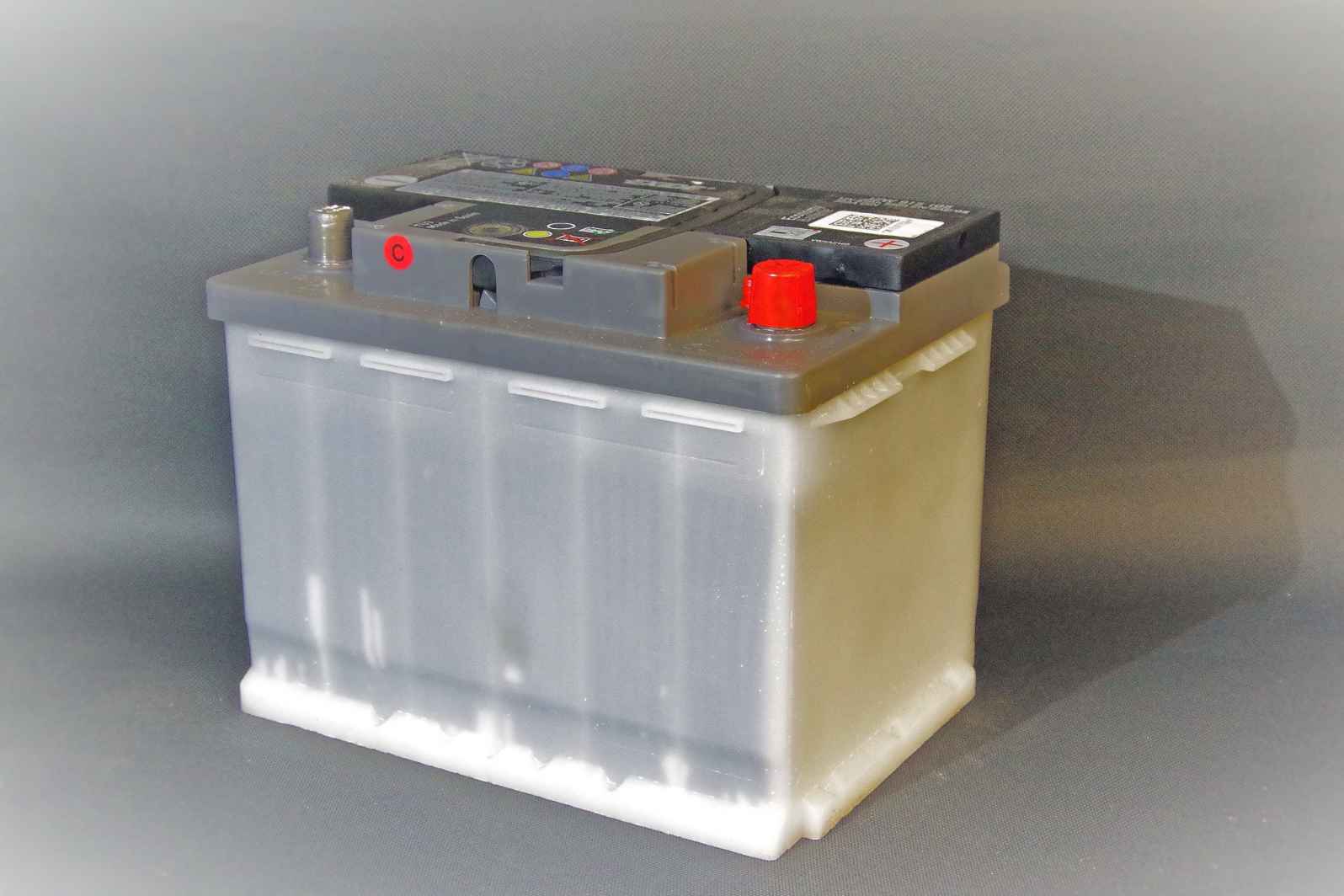
The future of electric vehicles (EVs) has never looked brighter – and the potential success or failure of solid-state batteries is at the heart of it. Today, the majority of EVs operate on lithium-ion batteries. Though they have spurred the popularity of electric cars, there remain problems with range, charging times and concerns about safety. Solid-state batteries offer some hope of solving many of those problems, and making EVs more efficient, safer and more convenient for the average consumer.
In this blog, you will learn about what solid-state batteries are, how they work and how they could revolutionize your next set of wheels.
What Are Solid-State Batteries?
Solid-state batteries employ a solid electrolyte rather than the liquid or gel used in conventional lithium-ion batteries. More stable, safety and more energy storage in a smaller space are potential when using this solid electrolyte.”
The main difference is that ions move through a solid layer, not a liquid one, in the solid-state battery. This modification increases efficiency and decreases the risk of leaks or fires as well as allows for higher performance.
Advantages of Solid-State Batteries
1. Longer Driving Range
Range anxiety is a top concern for EV owners. Solid-state batteries can also hold more electricity in the same amount of space, allowing cars to travel farther distances. Meaning less stopping for charging on a long haul.
2. Faster Charging
Watching an EV trickle-charge for hours can be aggravating. Solid-state batteries can also charge a lot faster, in some cases 15-20 minutes. This makes it more practical for everyday use.
3. Improved Safety
Conventional lithium-ion batteries can get too hot and present fire hazards. Because solid-state batteries rely on a solid electrolyte, they are far less likely to overheat or catch fire.
4. Longer Lifespan
Solid-state batteries also outlast lithium-ion versions. So that means fewer replacements over the life of the car, saving money in the end.
5. Smaller and Lighter
Solid-state batteries have higher energy density and can be made to be smaller and lighter. It cuts the weight of the car and makes it faster.
Challenges to Overcome
While solid-state batteries sound ideal, they are not yet commonplace. Here’s why:
- High Cost: Producing solid-state batteries is costly at the moment.
- Production Challenges: Getting all this produced at mass scale for millions of cars will be difficult.
- Scale Durability: Certain designs have the concern of cracking in solid electrolyte over time.
But plenty of big car companies and tech firms are racing to find solutions. When they become less expensive and easier to produce, solid-state batteries should in time emerge as the default choice for EVs.
How They’ll Change the Car You Buy Next
The solid-state potential When these batteries are commonplace, your next car might be:
- Cover over 800 km on a single charge.
- Recharge in under 20 minutes.
- Provide superior protection even under the most extreme conditions.
- Run for more than 10 years with no significant battery replacement.
This means that owning and operating an EV will be at least as easy as, if not easier than, owning a petrol or diesel vehicle.
Future Outlook
Solid-state battery technology is already being tested by Toyota, BMW and many other companies. Cars with these batteries will probably start appearing in the next several years, according to industry analysts. As costs come down and production gets better, solid-state batteries may soon be used to power more than just cars – like smartphones, laptops and even electric airplanes.
FAQs:
Q1. So then, when can we expect to see solid-state batteries in cars?
the first solid-state battery EVs could hit the market between 2027 and 2030, according to experts.”
Q2. Are solid-state batteries less dangerous than lithium-ion?
Yes, much safer since they don’t rely on flammable liquid electrolytes.
Q3. Can EVs with solid-state batteries really cost more?
At first, yes. But, as production ramps up, so should falling prices.
Q4. How far a car can travel with a solid state battery?
According to some estimates, one charge may be enough for more than 800 km of range depending on the model.
Q5. Can these solid-state batteries be put in gadgets, as well?
Future types of smartphones and laptops could too benefit from the technology.
