

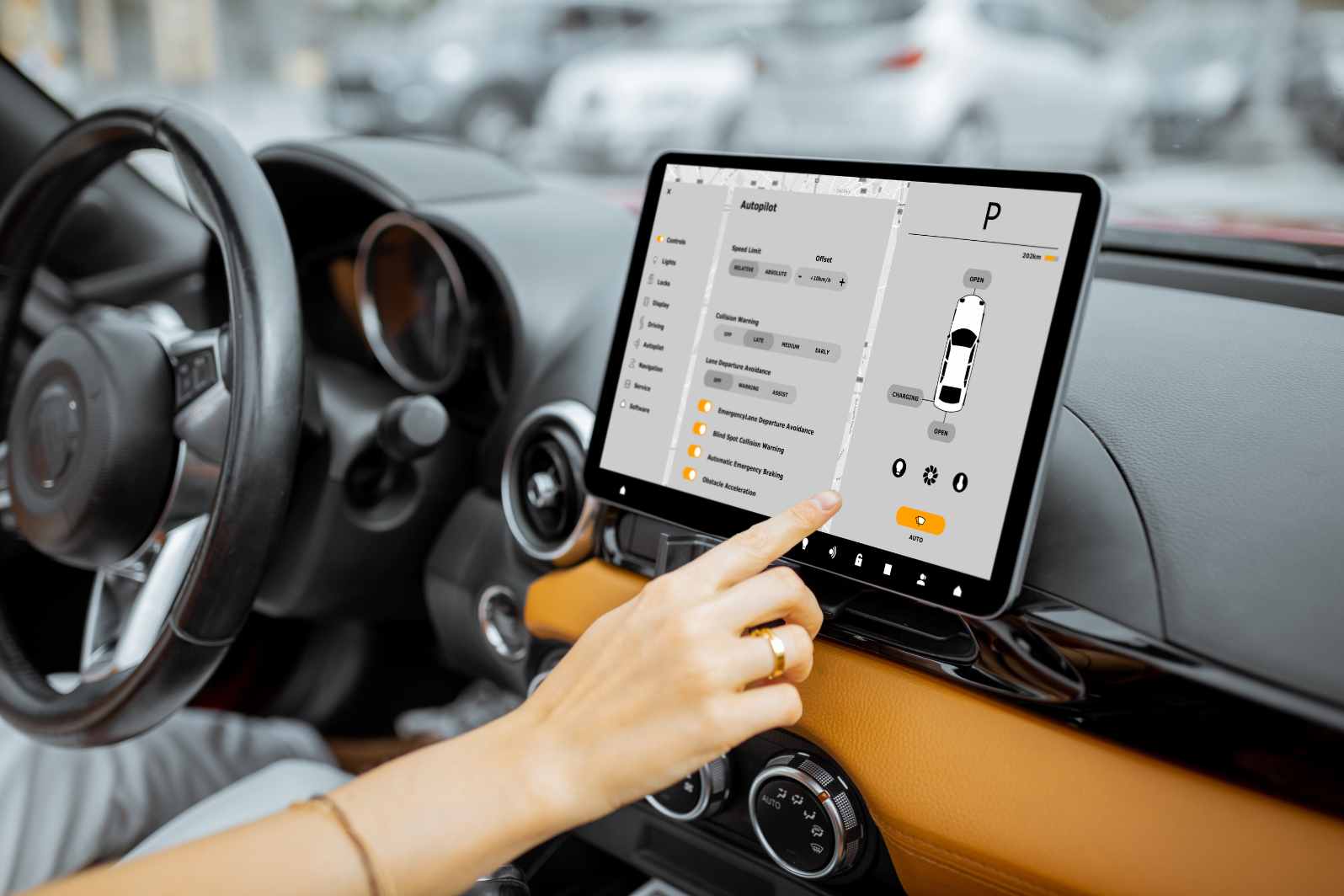
Technology is evolving at a blistering pace in today’s auto industry. A car is no longer just an engine and some wheels. They are turning into smart machines that contain all sorts of software and digital components. There are a number of companies that now offer subscription based options. That means that even after you’ve bought the car, you’re paying extra on a monthly or annual basis to unlock certain functions. These might be heated seats, better navigation or driver-assist chores. While there are advantages to the model, it also poses several questions. Here’s a closer look at some of the advantages and disadvantages of car subscription features.
What Are Subscription Car Features?
Subscription car features are digital services or capabilities that drivers can turn on by paying a recurring fee. Instead of what you once bought as a feature, you pay to keep using. You may, for instance, get a basic version of navigation for free but will need to pay a monthly fee if you want real-time traffic updates. Some brands even sell comfort features like seat warmers or remote start.
Pros of Subscription Car Features
1. Lower Upfront Cost
Subscription models could decrease the price of the car when you buy it. You won’t have to pay for every feature up front. That all means that cars become more affordable to buyers seeking flexibility.
2. Flexibility for Drivers
Drivers can select which features they will have, and when. For instance, you may turn on heated seats only in the winter. Here, this pay-as-you-use model lends more control to the customer.’
3. Regular Updates and Upgrades
Many services will also provide the latest software updates. Drivers also gain things like new features, improved safety devices or entertainment options without actually changing their car.
4. Easier Customisation
Meanwhile, not every driver wants what’s in the package. Subscriptions allow personalised driving experiences. A business traveller might pay for advanced navigation, a city driver just parking assist.
5. Potential for Better Resale Value
Because cars equipped with subscription-ready features can be upgraded by new purchasers, the resale value may remain high. Offering the opportunity to add features at a later time without additional installation is something many buyers may see as attractive: “There’s always that little bit of risk where you don’t want to say yes and spend more money now.”
Cons of Subscription Car Features
1. Higher Long-Term Cost
While the upfront cost is low, continuous payments may add up over time. Paying every month for features like heated seats may feel unfair, especially when older models included them for free.
2. Dependence on Software
A lot of the features depend on the software being turned on. You go broke, the service vanishes. This can be a matter of frustration to owners who may feel that they already paid for the car hardware.
3. Limited Ownership Feeling
Drivers say subscription models can make it feel like you don’t really own your car. Some of the best features even remain locked after you spend word too much money, unless you want to keep on paying.
4. Risk of Price Hikes
Automakers can update subscription rates whenever they choose. For the same services, customers may ultimately pay more in future bills.
5. Unequal Access
Not all consumers may have the ability to make these extra payments. It also serves to further separate along a line who can and cannot take advantage of advanced safety features.
The Future of Subscription Features
Car companies think of subscriptions as a potential cash cow. And many plan to increase the scope of such services in future years. But customers, in turn, are skeptical of the trend. Others want one-time payments and full ownership. Still others appreciate the flexibility of subscriptions. The future could be a middle ground in which buyers can opt for either traditional ownership and subscription models.
FAQs:
Q1. Which automakers provide subscription features for cars?
Some automakers, including BMW, Tesla, Mercedes and Toyota, have introduced subscription-only features in some markets.
Q2. Do car subscriptions offer any value?
It depends on your needs. If you want flexibility and don’t use specific features all that often, then subscriptions might be a useful compromise. But if you’re going to use them over the long term, owning features outright can end up being less expensive.
Q3. Do subscriptions influence automobile resale value?
Yes. Cars with addition-subscription features may appeal to buyers, but the notion may also concern some who do not like continuing expenses.
Q4. Do I need internet connection for the subscription features?
Most of them do. Real-time traffic, remote start and other advanced driver assistance features generally require a connection.
Q5. Is there a day when every car will be sold through subscription?
Not all. Many brands are experimenting with this, and it will be what customers say that determine how far companies will take subscription models.
